BlogsBlogs

Explore cutting-edge articles on laboratory products, industry innovations, and research trends with Lab Consulting.

Explore cutting-edge articles on laboratory products, industry innovations, and research trends with Lab Consulting.

Top Fiber Media Converter Suppliers for Global Buyers

Choosing the right Fiber Media Converter supplier can shape network stability, installation speed, and long-term operating costs. Global buyers often compare more than product prices. They examine optical distance, connector types, transmission rates, power options, and environmental ratings. A converter that performs well in a clean office may struggle inside a dusty factory or outdoor cabinet.

Reliable suppliers usually provide clear datasheets, tested compatibility, traceable quality procedures, and responsive technical support. They should explain whether a model supports single-mode or multimode fiber. They should also clarify wavelength options, link fault detection, and managed network features. These details matter when connecting switches across warehouses, campuses, data rooms, or remote sites. Practical experience shows that small specification gaps can create expensive installation delays.

Not every supplier communicates equally well. Some websites list impressive features but provide limited test evidence. That deserves attention. This guide reviews leading Fiber Media Converter suppliers for global buyers, focusing on product reliability, manufacturing capability, documentation, customization, and after-sales service. It also considers certification practices, sample evaluation, warranty terms, and shipping consistency. Buyers should still verify current specifications directly with each supplier. Markets change, and even a respected manufacturer may have uneven models or support in different regions. Careful comparison remains essential. A low price is not always a saving.
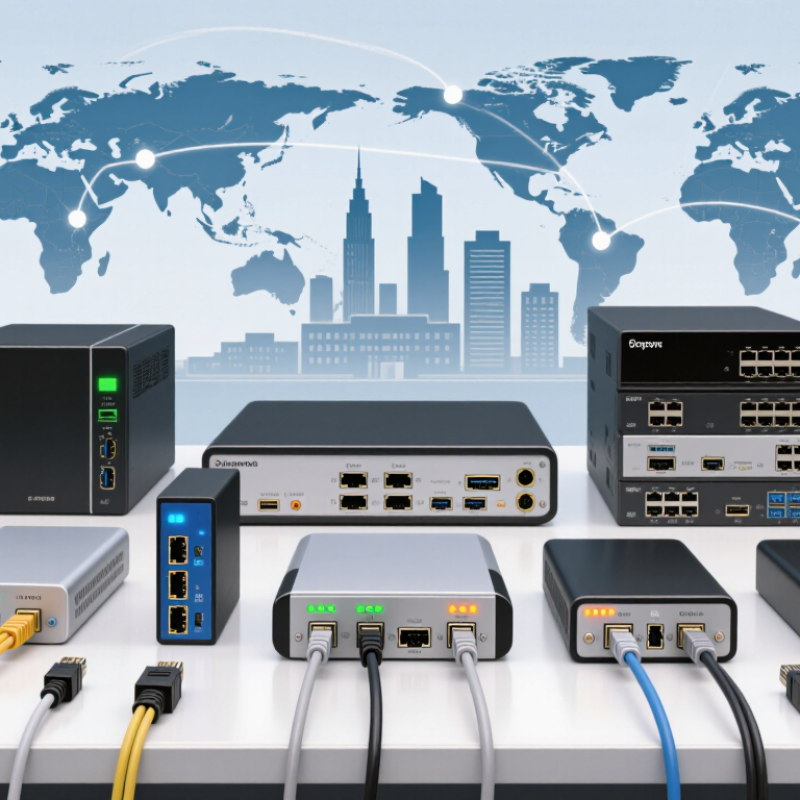
Top Fiber Media Converter Suppliers for Global Buyers

What Fiber Media Converters Are and Why Global Buyers Need Them

A fiber media converter links copper Ethernet equipment with fiber-optic cabling. It changes electrical signals into optical signals, then reverses them at the receiving end. This simple function helps existing switches, cameras, and industrial controllers reach distant network points. Distance matters. Copper links usually stop at 100 meters, while fiber can extend several kilometers, depending on the fiber type and optical modules. Fiber also resists electromagnetic interference near motors, elevators, and factory equipment.

Global demand for reliable connectivity makes this tool more relevant. The International Telecommunication Union reported 5.4 billion internet users in 2023. The Cisco Annual Internet Report projected 29.3 billion connected devices by 2023. These figures do not measure converters directly, but they show the pressure placed on network infrastructure. In practical deployments, buyers should match the converter with single-mode or multimode fiber, connector type, transmission speed, and required distance. IEEE 802.3 compatibility also deserves careful checking. A common field mistake is choosing by port appearance alone. It can create link failures, especially when wavelength, duplex mode, or temperature ratings differ. A converter is not a magic upgrade. It cannot repair poor splicing, unsuitable optics, or weak power protection. Global buyers should request test records, operating-temperature data, and clear standards documentation before placing large orders. Manufacturers may provide impressive specifications, yet field performance still depends on installation quality. That part is often underestimated.

Key Specifications for Comparing Fiber Media Converter Suppliers

Global buyers should compare fiber media converter suppliers through measurable specifications, not polished catalogs. The ITU Facts and Figures 2023 report recorded 5.4 billion internet users, increasing pressure on dependable access infrastructure. That demand makes compatibility essential. Check support for IEEE 802.3 standards, including 1000BASE-LX and 10GBASE-SR. Confirm fiber type, wavelength, connector, transmission distance, and duplex mode. Numbers matter.

Temperature ratings deserve close attention. Industrial sites may require operation from -40°C to 75°C, while office models often support narrower ranges. Ask for packet-loss results, latency figures, switching capacity, and electromagnetic compatibility test records. Digital optical monitoring can reveal receive power, temperature, and voltage before a link fails. A neat datasheet is not proof. Request sample test reports, calibration dates, and acceptance criteria.

Supplier reliability also depends on documentation and after-sales engineering. Compare mean time between failures, burn-in procedures, firmware support, replacement policies, and response times. The FOA’s fiber infrastructure guidance emphasizes correct cleaning, inspection, and connector testing; poor installation can undermine excellent hardware. Verify whether each supplier provides inspection tools and clear polarity instructions. Test it. Real-world performance can differ from laboratory claims, especially across long cable runs, high heat, or mixed network equipment. A short pilot deployment exposes those weaknesses before a larger purchase. (Sources: ITU Facts and Figures 2023; Fiber Optic Association technical guidance.)

Major Supplier Types and Their International Market Roles

Global buyers encounter several supplier types in the fiber media converter market. Equipment manufacturers usually control hardware design, firmware, testing, and product certification. Their role is strongest in large network projects requiring stable specifications across many countries. Specialist industrial suppliers focus on harsh environments, including rail corridors, utility substations, and outdoor cabinets. They often provide wide temperature ratings, redundant power inputs, and vibration testing. It is not simple.

Regional distributors and system integrators perform a different function. They hold local inventory, translate technical requirements, and support installation teams near the customer site. This matters as international connectivity expands. The International Telecommunication Union reported 5.4 billion internet users in 2023, representing about 67% of the global population. TeleGeography’s 2024 bandwidth research also showed continuing growth in cross-border network capacity, increasing demand for dependable last-mile conversion equipment.

Contract manufacturers and private-label suppliers can reduce purchasing costs and support customized enclosures or port combinations. However, buyers should inspect test records, warranty terms, and firmware ownership carefully. A lower unit price may hide longer replacement cycles. MarketsandMarkets reports continued growth in the broader fiber-optic components sector, but market definitions differ between research firms. That weakness deserves attention. Supplier comparisons should include optical power budgets, connector standards, regional compliance documents, and spare-part availability. A converter sitting in a warehouse is more useful than one delayed at a distant port.

How to Evaluate Supplier Quality, Compliance, and Technical Support

Global buyers should evaluate fiber media converter suppliers beyond price and product photos. The International Telecommunication Union’s 2024 Facts and Figures report estimates that 5.5 billion people were online in 2024. That growth increases pressure on reliable access networks.

Check whether each converter supports the required IEEE 802.3 standards, fiber type, wavelength, distance, and operating temperature. Ask for traceable test records, serial-level quality controls, and documented burn-in procedures. Compliance evidence should include applicable EMC, safety, RoHS, and laser-safety requirements. ISO 9001 certification helps, but it does not prove every shipment is consistent. A supplier should also explain firmware control, failure analysis, and replacement procedures. In practice, a neat certificate folder can still hide weak field support.

Tips: Request a sample unit before volume purchasing. Test link recovery, temperature stability, VLAN behavior, and optical power. Confirm whether support engineers respond within a written SLA. Ask for MTBF assumptions and real RMA statistics, not only marketing claims. The 2024 Uptime Institute Global Data Center Survey continues to show that equipment failures remain a significant outage concern. That makes spare-unit planning important. However, MTBF figures are estimates, not promises. Buyers should challenge unclear test conditions and compare results under matching workloads. A short technical call can reveal more than a polished brochure.

Top Fiber Media Converter Suppliers for Global Buyers

Supplier evaluation framework based on the factors commonly used in international sourcing: compliance, product quality, technical support, delivery capability, documentation, and product coverage.

How to read the chart: Compliance and technical support receive the highest weighting because certifications, traceability, interoperability, installation guidance, and after-sales assistance directly affect project risk. Quality systems, delivery performance, documentation, and product coverage provide additional criteria for comparing suppliers without relying on brand or company names.

Purchasing, Shipping, and After-Sales Considerations for Global Buyers

Choosing a fiber media converter supplier requires more than comparing unit prices. Request a current datasheet, compatibility matrix, and test sample before placing a large order. Check fiber type, connector options, transmission distance, power input, temperature range, and management features. A supplier should explain these details clearly, not hide them behind vague performance claims. Ask for production lead times and confirm whether the quoted price includes accessories, testing, and export packaging.

Shipping details can affect project schedules as much as product quality. Confirm the delivery term, carton dimensions, gross weight, and customs documents before payment. Moisture-resistant bags, shock protection, and clear serial-number labels help during long international transport. Keep spare units in the shipment when downtime is expensive. Air freight may reduce delays, but it can increase landed costs sharply. Sea freight costs less in many cases, yet port congestion can disrupt a carefully planned installation. The schedule may still fail.

After-sales support should be written into the purchase agreement. Look for a defined warranty period, response time, replacement process, and remote troubleshooting procedure. Ask whether technical staff can review optical power readings, link alarms, and configuration logs. A reliable supplier should provide firmware notices and installation guidance without forcing unnecessary upgrades. Keep records of serial numbers and test results. This sounds basic, but missing records can make a valid warranty claim surprisingly difficult. Suppliers should also disclose repair limitations and available spare parts for older models.

Top Fiber Media Converter Suppliers for Global Buyers - Purchasing, Shipping, and After-Sales Considerations for Global Buyers

Supplier Category Best Fit Common Fiber Standards Typical Product Range Indicative MOQ Typical Lead Time Purchasing Advantages Main Risks to Check
Factory-Direct OEM/ODM Supplier Large projects, private-label programs, and recurring orders 100BASE-FX, 1000BASE-SX/LX, 10GBASE-SR/LR, SFP-based links Unmanaged and managed converters, PoE fiber converters, industrial DIN-rail models Usually 10–100 units; customized orders may be higher Approx. 2–6 weeks for standard models; longer for customization Competitive unit pricing, firmware customization, enclosure and label options Sample approval, component substitutions, firmware control, and quality consistency
Authorized Distribution Channel Buyers requiring traceability, documentation, and established support processes Ethernet, Fast Ethernet, Gigabit Ethernet, and common SFP interfaces Commercial, enterprise, and industrial-grade products with documented specifications Often 1–10 units, subject to stock availability In-stock items may ship in 1–5 business days; backorders vary Clear invoices, product traceability, technical documentation, and structured returns Higher prices, limited customization, and possible allocation during shortages
Regional System Integrator Campus networks, industrial sites, transport systems, and turnkey deployments Single-mode and multimode Ethernet links; managed and industrial Ethernet options Converters, fiber termination, network cabinets, installation, testing, and commissioning Project-based; commonly 5–50 units depending on site design Approx. 2–8 weeks, including site survey and configuration Local engineering support, installation services, and easier on-site troubleshooting Higher total project cost, dependence on local expertise, and longer approval cycles
Industrial Networking Specialist Factories, substations, outdoor cabinets, and harsh operating environments Industrial Ethernet, Gigabit Ethernet, SFP, ring protocols, and redundant power options DIN-rail converters, wide-temperature units, redundant DC power, alarm relays Usually 1–10 units for evaluation; project quantities vary Approx. 3–10 weeks, depending on certification and configuration Ruggedized designs, network management, extended temperature options, and lifecycle support Confirm environmental ratings, EMC testing, cybersecurity features, and replacement policy
Online Export Supplier Small quantities, price-sensitive purchases, and preliminary testing Common 10/100 Mbps and 10/100/1000 Mbps copper-to-fiber links Basic unmanaged converters, power adapters, and standard fiber interfaces Often 1–20 units Approx. 5–20 business days, including international transit Low entry cost, broad selection, and convenient small-order purchasing Unclear specifications, inconsistent revisions, limited warranty handling, and customs delays
Local Stocking Supplier Urgent replacements, maintenance inventory, and short deployment schedules Most widely used Ethernet and SFP interface combinations Fast-moving standard models with local power and compliance documentation Usually 1–10 units Same day to 5 business days when stock is available Fast delivery, simpler tax handling, local returns, and reduced downtime Higher landed price and limited availability for uncommon distances or protocols

Technical and Logistics Comparison for Global Buyers

Evaluation Dimension Verified Industry Reference What Buyers Should Request Procurement Impact
1000BASE-SX Multimode Fiber Typically uses 850 nm optics; IEEE specifications support link distances up to 550 m on suitable multimode fiber categories Fiber type, connector, optical budget, and maximum supported distance Suitable for many building and campus backbone links
1000BASE-LX Single-Mode Fiber Commonly operates around 1310 nm and supports up to 10 km under standard conditions with compatible single-mode fiber Optical transmit power, receiver sensitivity, wavelength, and fiber compatibility Useful for inter-building and metropolitan links
10GBASE-SR / 10GBASE-LR 10GBASE-SR is designed for short-reach multimode links; 10GBASE-LR is designed for up to 10 km over suitable single-mode fiber Exact IEEE mode, optical module type, link budget, and interoperability test results Prevents speed, distance, and transceiver mismatch during deployment
Power over Ethernet IEEE 802.3af provides up to 15.4 W at the power-sourcing equipment; 802.3at provides up to 30 W; 802.3bt supports higher power classes PoE standard, available output power, input voltage, and thermal limits Determines whether cameras, access points, or phones can be powered reliably
Environmental Operating Range Commercial equipment commonly targets approximately 0–40 °C; industrial models may be specified around −40–75 °C, depending on design Test report, temperature range, humidity limits, vibration rating, and enclosure protection Affects equipment location, cooling requirements, and service life
Shipping and Trade Terms Common Incoterms include EXW, FCA, FOB, CPT, CIP, DAP, and DDP; responsibilities differ for freight, insurance, customs, and import taxes Commercial invoice, packing list, HS classification, country of origin, and agreed Incoterm Clarifies landed cost and reduces customs or delivery disputes
Warranty and After-Sales Support Commercial warranties commonly range from 12 to 36 months, but coverage, exclusions, and return procedures vary by contract Warranty period, RMA response time, repair or replacement method, spare-parts availability, and firmware policy Directly influences downtime, maintenance cost, and total cost of ownership
Pre-Shipment Quality Control Functional testing should cover Ethernet negotiation, fiber transmission, optical power, PoE output where applicable, and burn-in requirements Inspection checklist, test records, sample approval process, and defect-handling procedure Reduces field failures and provides evidence for acceptance decisions

Note: Lead times, minimum order quantities, warranty periods, and environmental ranges are indicative industry ranges. Buyers should confirm the final values in the supplier’s quotation, datasheet, inspection plan, and sales contract.

Newsletter

Subscribe to our newsletter and receive the latest news and exclusive insights every month. No spam.