What is a Laboratory Freezer and How to Choose One?
Laboratory freezers play a crucial role in scientific research. They maintain samples at ultra-low temperatures, ensuring integrity and longevity. Dr. Emily Wang, a leading expert in laboratory equipment, once stated, "Choosing the right laboratory freezer can make all the difference in experimental outcomes." Her insights emphasize how critical this choice is for researchers.
When selecting laboratory freezers, various factors come into play. Temperature stability, capacity, and energy efficiency are significant considerations. Each of these elements impacts how well the freezer maintains samples. Many scientists overlook the importance of energy consumption. An efficient freezer can save substantial costs over time.
Moreover, the wrong freezer choice might lead to compromised results. Labs must evaluate their specific needs carefully. This evaluation helps in making an informed decision, ensuring that valuable samples are preserved effectively. Therefore, understanding laboratory freezers deeply becomes essential for any serious scientific endeavor.
Understanding the Purpose and Types of Laboratory Freezers
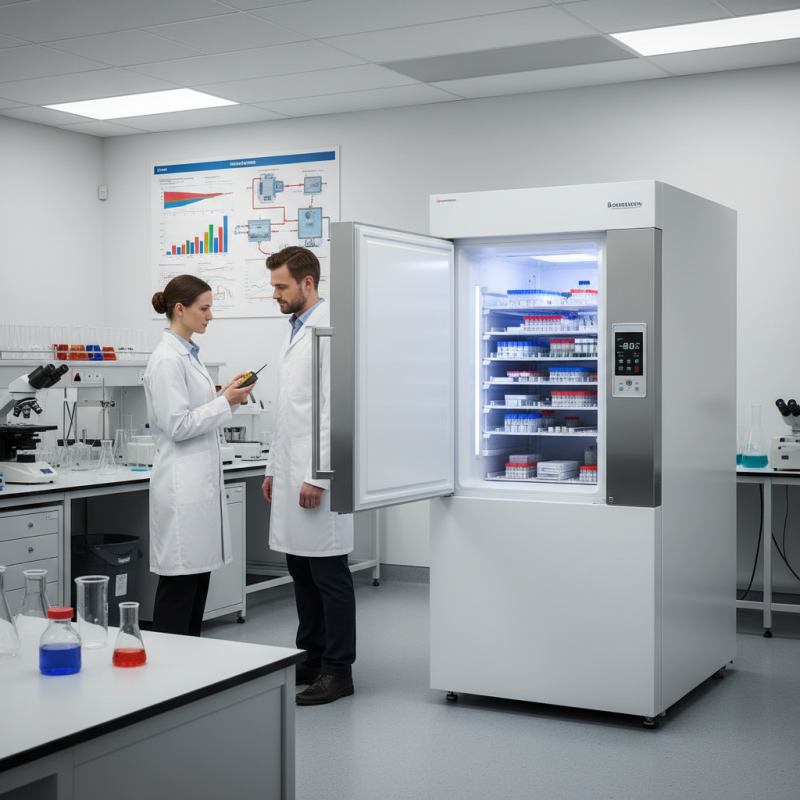
Laboratory freezers are essential for preserving samples, reagents, and biological materials. Understanding their purpose is crucial for effective lab operations. They come in various types based on temperature ranges and intended use. Ultra-low freezers are often used for long-term storage, keeping items at -80°C. This ensures the integrity of sensitive biological samples.
When choosing a laboratory freezer, consider your specific needs. Capacity is vital; too small a unit can lead to overcrowding. Evaluate the insulation and energy efficiency of the model, as these factors affect long-term costs.
Tips for selection: Ensure the freezer has reliable temperature control and alarms for fluctuations. This feature can help prevent potential sample loss. Regular maintenance checks are essential. This helps identify issues before they become serious problems. Adaptability is another key factor. Freezers with adjustable shelving maximize storage flexibility.
Key Factors to Consider When Choosing a Laboratory Freezer
Choosing the right laboratory freezer is critical for efficient research. Key factors include the temperature range and storage capacity. Many laboratories require ultra-low freezers that maintain temperatures as low as -80°C for sensitive materials. Data from the International Society for Biological and Environmental Repositories indicates that proper temperature regulation increases sample integrity by over 95%.
Another important consideration is energy efficiency. Energy costs can add up, especially with constant use. Selecting a freezer with a high energy efficiency rating can reduce operating costs significantly. Additionally, noise level can impact laboratory environments. Excessive noise can disrupt concentration and productivity. Therefore, finding a quieter model is often beneficial.
Size and footprint matter, too. Laboratories often face space constraints. A compact freezer may fit better without sacrificing performance. In a survey conducted by the Laboratory Equipment Magazine, 45% of lab managers expressed regret over space misuse in freezer setups. With careful assessment, labs can enhance workflow while ensuring sample security.
Temperature Ranges and Performance Specifications in Freezers
Laboratory freezers are crucial for storing sensitive samples. Choosing the right freezer involves understanding temperature ranges and specifications. Typically, laboratory freezers operate within temperatures of -20°C to -80°C. These ranges are suitable for storing biological materials. However, not every application requires the lowest temperature. Understanding the specific needs of your samples helps in making a better choice.
Performance specifications vary across models. Consider factors such as cooling speed, stability, and noise levels. A quick cooling system can prevent the degradation of important samples. Some models feature digital displays for easier monitoring, which enhances reliability. It’s important to note that even the best freezers can experience fluctuations. This could impact sample integrity over time. Therefore, regular checks and maintenance are essential.
The design plays a critical role as well. High-quality insulation and door seals help maintain temperature accuracy. Storage capacity matters too, as overcrowding can lead to uneven cooling. These are complexities to think about. Not all freezers are equal, and making the wrong choice can lead to compromised samples. It's a reminder that careful consideration is necessary for long-term success.
Maintenance and Safety Tips for Laboratory Freezers
Maintaining a laboratory freezer goes beyond basic cooling. Regular checks of the temperature settings ensure optimal performance. If temperatures fluctuate, sample integrity may be compromised. It’s crucial to routinely inspect seals and gaskets. Damaged seals can lead to ice build-up, affecting energy efficiency.
Safety is another key aspect. Ensure that your freezer is placed in a well-ventilated area. Overheating may occur if air circulation is restricted. To prevent accidents, clearly label all contents. Use color-coded stickers to indicate hazards or expiration dates. Keep the workspace tidy to minimize risks. It's easy to overlook these details in busy settings, but neglecting them could have serious consequences.
Periodic defrosting is vital for maintaining efficiency. Ice accumulation can hinder airflow. While it may seem like a hassle, setting a defrost schedule can save time in the long run. Remember, proper training for personnel is essential. Ensure everyone understands how to operate and maintain the freezer effectively. Lack of knowledge can lead to mistakes. Reviewing protocols regularly helps refresh these critical skills.
Temperature Settings for Laboratory Freezers
Common Applications of Laboratory Freezers in Research and Industry
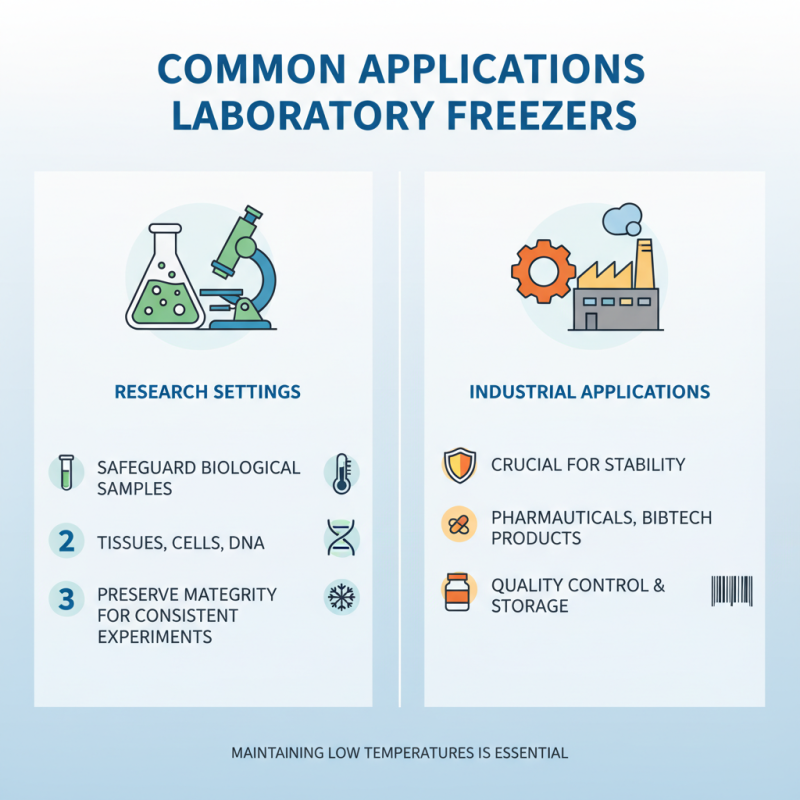
Laboratory freezers play a vital role in research and industrial applications. In scientific settings, they safeguard biological samples such as tissues, cells, and DNA. Maintaining low temperatures is crucial for preserving the integrity of these materials. Researchers rely on these environments to ensure consistent results in experiments.
In industries like pharmaceuticals, lab freezers are essential for storing sensitive compounds. They help in maintaining the efficacy of drugs and vaccines. For instance, enzymes and proteins used in various processes must be kept at specific temperatures to function correctly. The choice of freezer can deeply influence the outcome of experiments and production quality.
Selecting the right laboratory freezer involves considering various factors. Temperature range, capacity, and efficiency are vital. Different applications may require unique features. It’s important to assess the specific needs of your research or production. In some cases, a basic model may suffice, while others might need advanced features. Understanding your requirements can save time and resources in the long run.