BlogsBlogs

Explore cutting-edge articles on laboratory products, industry innovations, and research trends with Lab Consulting.

Explore cutting-edge articles on laboratory products, industry innovations, and research trends with Lab Consulting.

What Is a Flavored Air Pen and How Does It Work?

A Flavored Air Pen is a compact sensory device designed to deliver a noticeable taste or aroma through inhaled air. Unlike conventional smoking products, it is not intended to burn tobacco, contain nicotine, or deliver controlled substances. The term remains inconsistent, however. Some products use scented airflow, while others create a fine, flavored mist. That difference matters.

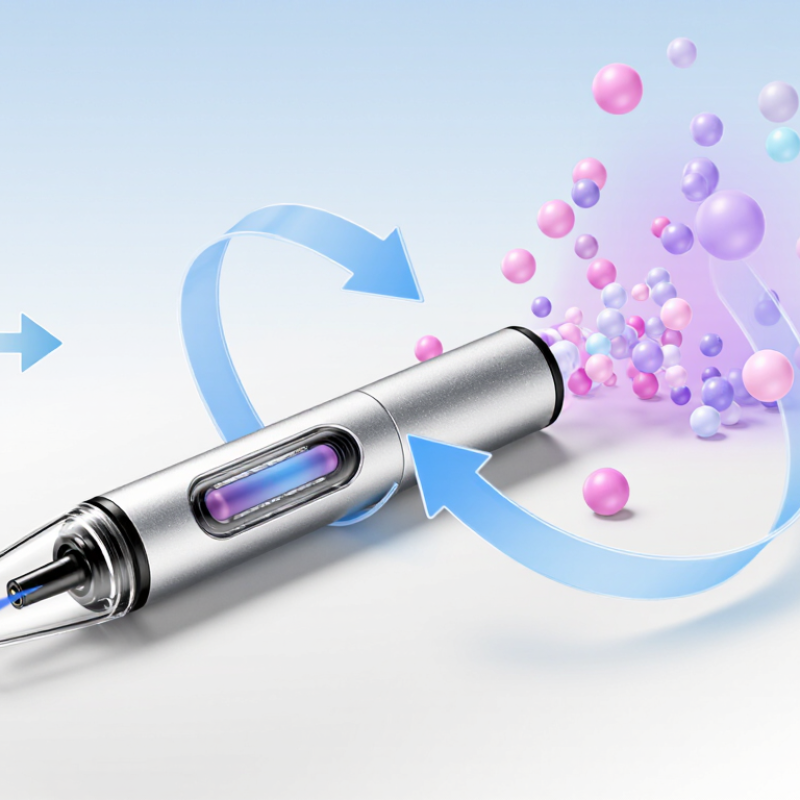
In simple terms, the user draws through a small mouthpiece. Air passes across a flavor chamber or cartridge. A button or airflow sensor may activate the system. Depending on the design, the device releases aroma molecules, a non-combustion aerosol, or Flavored Air. There is no flame. Usually, there is no ash or smoke.

Aerosol scientist Dr. Konstantinos Farsalinos has repeatedly stressed, “Aerosol is not water vapor.” This caution is useful here. A visible cloud may contain more than air. Ingredients, particle size, heating temperature, and exposure time all influence the experience. The label alone cannot answer every safety question.

That sounds simple. It is not always.

A responsible Flavored Air Pen review should examine its materials, ingredient disclosures, battery design, cleaning guidance, and intended use. Fragrance ingredients may irritate sensitive users. Flavor perception can also vary with airflow, humidity, and personal sensitivity. Some marketing claims may seem stronger than the available evidence. A careful reader should notice that gap.

This guide explains the structure, airflow path, flavor delivery process, and practical limitations of Flavored Air Pen technology. It also separates verified design features from assumptions, because “flavored air” is not a perfectly standardized technical category.
What Is a Flavored Air Pen and How Does It Work?

Definition and Basic Features of a Flavored Air Pen

What Is a Flavored Air Pen and How Does It Work?

A flavored air pen is a small handheld device designed to deliver scented or flavored air through a mouthpiece. It usually contains an airflow channel, a flavor insert, and sometimes a rechargeable battery. When the user inhales, air passes over the flavor material and carries its aroma toward the mouth and nose. Some models use gentle heating, while others work without heat.

The term is not perfectly standardized. A “flavored air pen” may describe an electronic device, a passive aroma tool, or a simple personal inhalation accessory. Its flavor source can include food-grade aromatic compounds, plant-based extracts, or manufactured flavoring materials. However, food-grade does not automatically mean suitable for inhalation. That distinction is easy to miss.

A quality design should clearly identify its ingredients, materials, intended use, and cleaning instructions. It should also limit leaks, avoid sharp edges, and provide consistent airflow. The visible vapor from some devices can be mistaken for smoke, although the mechanism may be different. Users should not assume that a pleasant taste means the product is harmless or medically useful. Stop using it if irritation, coughing, dizziness, or discomfort appears. The technology seems simple, but ingredient safety and long-term inhalation effects still deserve careful attention.

Main Components and Their Functions

A flavored air pen is a compact device designed to deliver scented or flavored air through a mouthpiece. Unlike a traditional smoke-producing product, it may use airflow and a prepared flavor element without combustion. Designs differ, so the name does not guarantee identical operation.

The mouthpiece directs air toward the user. Inside, a flavor chamber holds a cartridge, bead, or absorbent material containing approved flavor compounds. Some models use a small heating element to release the flavor. Others rely on ordinary air movement. An airflow sensor can activate the device when the user inhales. A button may control the same function manually. There is also a battery, usually rechargeable, that powers the sensor or heating system. A tiny indicator light may show activation or low power.

The outer casing protects these parts and keeps the pen easy to carry. Seals help limit leaks, although they are not perfect. Flavor strength can change as the cartridge ages. It can also vary with temperature and airflow. I would not assume every “air” pen is harmless simply because it produces no visible smoke. Users should inspect ingredient information, charging guidance, and age restrictions before use. Some devices are poorly labeled. That deserves caution. Cleaning the mouthpiece and avoiding damaged batteries are practical safety steps. The internal mechanism seems simple, but small failures can affect performance.

What Is a Flavored Air Pen and How Does It Work? - Main Components and Their Functions

Component or Feature Category Primary Function How It Works Common Materials or Specifications Important Considerations
Outer Housing Structure Protects the internal parts and provides the pen-shaped form. The housing holds the airflow path, flavor element, mouthpiece, and any optional electronic parts in alignment. Usually made from food-contact-compatible plastic, aluminum, or stainless steel. It should be durable, easy to clean on the exterior, and free from sharp edges or loose parts.
Mouthpiece Air Delivery Provides the point where the user draws air through the device. A draw creates a pressure difference that moves air through the internal channel and across or near the flavor source. Typically uses molded food-grade plastic, silicone, or another suitable non-porous material. The mouthpiece should be smooth, securely attached, and designed to reduce contact contamination.
Air Inlet Airflow Allows surrounding air to enter the pen. When the user inhales, outside air is pulled through one or more small openings and directed toward the flavor section. Small molded openings or a slotted inlet integrated into the housing. Blocked or restricted inlets can reduce airflow; the openings should be kept free of dust and debris.
Airflow Channel Air Delivery Guides air from the inlet to the mouthpiece. The internal passage controls the route and resistance of the air moving through the device. Formed directly into the housing or created with a separate plastic or metal insert. Its dimensions influence draw resistance, sound, and the consistency of flavor delivery.
Flavor Element Flavor System Adds a detectable aroma or flavor to the passing air without requiring combustion. Air passes over or through a scented medium, allowing volatile flavor molecules to mix with the airflow. May use a dry impregnated insert, aroma strip, porous fiber, or sealed flavor capsule containing a food-grade flavoring system. The flavor element should remain physically separated from the user’s mouth and should not release loose particles into the airflow.
Flavor Reservoir or Capsule Flavor Storage Stores the flavoring material when the design uses a replaceable or enclosed flavor module. The reservoir holds the flavor medium and exposes it to controlled airflow through a permeable barrier or channel. Common designs use sealed polymer capsules, porous inserts, or absorbent carriers. A sealed construction helps limit leakage, evaporation, and accidental direct contact with the flavoring material.
Filter or Mesh Barrier Protection Helps prevent fibers, droplets, or loose particles from moving toward the mouthpiece. The barrier allows air to pass while retaining larger particles from the flavor section. May consist of food-contact-compatible mesh, nonwoven fiber, or a molded perforated insert. It must not become excessively restrictive, contaminated, or damaged during use.
Condensation Control Area Moisture Management Limits the buildup of moisture created by humid exhalation or temperature changes. A small chamber, absorbent pad, or separated airflow section can collect or redirect minor condensation. May use an absorbent insert or a molded chamber made from a compatible polymer. Visible liquid, leakage, or persistent wetness indicates that the device should not continue to be used.
Draw-Activated Sensor Optional Electronics Detects inhalation in electronic versions and activates an indicator or airflow feature. A pressure or air-pressure sensor responds to a change in pressure when the user draws through the mouthpiece. Typically a miniature pressure sensor connected to a small control circuit. Many non-electronic flavored air pens do not include a sensor and operate solely through natural airflow.
Battery Optional Electronics Supplies power to electronic indicators or an optional air-moving mechanism. The battery provides low-voltage electrical energy to the control circuit when the device is activated. May be a small rechargeable lithium-ion cell or a non-rechargeable battery, depending on the design. Battery-equipped products require protection against overheating, short circuits, overcharging, and physical damage.
Indicator Light Optional Electronics Communicates operating status, activation, or low power. An LED illuminates when the sensor or control circuit detects a specified operating condition. Small low-power LED connected to the internal control board. An indicator light provides information only; it does not itself create flavor or improve airflow.
Seals and Gaskets Safety and Assembly Help maintain separation between internal sections and reduce unwanted air leakage. Flexible sealing parts sit between assembled components and compress to close small gaps. Often made from silicone or another compatible elastomer. Damaged or displaced seals can cause leakage, loose components, or inconsistent airflow.
End Cap or Closure Protection Closes an end of the pen and may protect the mouthpiece during storage. A fitted cap or end piece covers the opening and helps reduce exposure to dust or accidental contact. Usually molded plastic, silicone, or lightweight metal. The closure should be removed before use if it obstructs the airflow path.
Operating Principle Function Combines airflow with a flavor source to produce flavored air. The user draws through the mouthpiece; ambient air enters the inlet, passes the flavor element, and exits through the mouthpiece carrying aroma compounds. Operation may be entirely passive or may include optional electronic sensing and indication. A flavored air pen is not the same as a device that heats a liquid to create an aerosol; product construction should be checked before use.

How a Flavored Air Pen Produces Scented Air

A flavored air pen is a small, reusable device designed to deliver scented air without producing smoke. Its main components usually include an outer shell, an airflow channel, a mouthpiece, and a scent chamber. The chamber may contain a porous wick or aroma-infused material. It should not contain nicotine, tobacco, or restricted substances.

The process is simple. When a user draws through the mouthpiece, air enters through small openings. That airflow passes across the scent material and picks up volatile aroma molecules. The scented air then travels through the channel and reaches the mouth. No burning is required. Many air-only designs also avoid heating, which helps prevent smoke and visible vapor. The strength depends on airflow, chamber design, temperature, and how fresh the scent material is.

The sensation can feel light and brief. It is closer to smelling air through a directed tube than using an aerosol product. However, designs differ. Some devices may use a small diffuser, so technical claims should be checked carefully. A flavored air pen is not a medical device or a proven treatment for cravings. That distinction matters. If the scent becomes weak, replacing the insert may help, but cleaning remains important. Residue can alter the smell. The design is clever, yet not perfect.

Common Flavor Types and User Experience

A flavored air pen is a small electronic device that heats a flavored liquid or aroma cartridge. It produces an inhaled aerosol, not ordinary water vapor. The user normally draws through a narrow mouthpiece, while a sensor activates the heating element. Experience depends on airflow, temperature, and cartridge design. Some pens feel cool and light. Others create a warmer, denser sensation.

Common flavor types include mint, citrus, berry, tropical fruit, coffee, and dessert profiles. Mint often feels crisp, while citrus can seem sharper on the tongue. Berry flavors usually feel sweeter and softer. Dessert notes may leave a thicker aftertaste. These impressions are personal, and flavor descriptions can be misleading. A 2018 National Academies report found that flavors may increase product appeal, especially among young people, while evidence about adult cessation remains uncertain. The 2023 National Youth Tobacco Survey, published by the CDC and FDA, reported that 7.7% of U.S. middle and high school students currently used electronic cigarettes. That figure makes flavor design a public-health concern, not merely a preference issue.

Tips: Check the ingredient label, age restrictions, and local rules before use. Avoid damaged devices or unfamiliar liquids. Stop if you notice chest discomfort, dizziness, coughing, or throat irritation. Flavors can mask harshness. That does not prove safety. Personal experience also varies, and current research still leaves important questions unanswered.

Proper Use, Maintenance, and Safety Considerations

What Is a Flavored Air Pen and How Does It Work?

Proper Use, Maintenance, and Safety Considerations

A flavored air pen is a small electronic device that heats a liquid into an inhaled aerosol. Despite the name, it does not produce simple water vapor. The liquid may contain flavorings, solvents, and other substances, depending on its labeling. Read the ingredient information carefully. If the contents are unclear, do not use the device.

Proper handling begins with the instructions supplied for that specific model. Do not modify the pen, refill sealed cartridges, or share the mouthpiece. Keep it away from children, pets, direct sunlight, and hot vehicles. The 2023 National Youth Tobacco Survey reported that 2.13 million U.S. middle and high school students used electronic cigarettes. Flavors were a major reason for use. That figure shows why adult supervision and careful storage matter.

Maintenance should remain simple. Wipe the mouthpiece with a clean, dry cloth. Check for cracks, leaking liquid, unusual heat, or a burnt smell. Stop using the pen when any warning sign appears. Never wash the battery section or use damaged charging equipment. The U.S. Fire Administration links lithium-ion battery incidents with overheating, improper charging, and physical damage. Charging on a hard, visible surface is safer than charging under bedding. Some instructions seem excessive. They are not, although users often ignore them after repeated routine use.

What Is a Flavored Air Pen and How Does It Work?

A flavored air pen is a small battery-powered device that heats a flavored liquid or aromatic material to produce an inhalable aerosol. Proper use, routine care, and battery safety help reduce avoidable risks.

How to use the chart: The schedule shows practical care intervals commonly recommended for reusable air pens. Inspect the device and mouthpiece before every use, wipe the exterior regularly, clean the mouthpiece weekly, and check the battery and charging cable monthly. Do not use a damaged, leaking, overheating, or unusually hot device, and follow the specific instructions supplied with the product.

Article Source:

Newsletter

Subscribe to our newsletter and receive the latest news and exclusive insights every month. No spam.