Essential Lab Equipment List for Global Buyers?
In the world of scientific research, having the right tools is crucial. A well-curated lab equipment list can make or break an experiment’s success. Dr. Emily Carter, an expert in laboratory management, emphasizes, "The right equipment not only enhances accuracy but also boosts the efficiency of research.”
Selecting equipment is often overwhelming. Buyers must consider budget, functionality, and reliability. Each item on a lab equipment list impacts research outcomes. From basic pipettes to advanced spectrometers, the choices vary greatly in price and quality. One wrong decision can lead to wasted time and resources.
Moreover, it’s vital to reflect on the evolving nature of scientific equipment. Technology advancements change lab needs continuously. What worked yesterday might not suit future experiments. Thus, global buyers must stay informed and adapt their lab equipment list accordingly.
Essential Types of Lab Equipment for Global Buyers
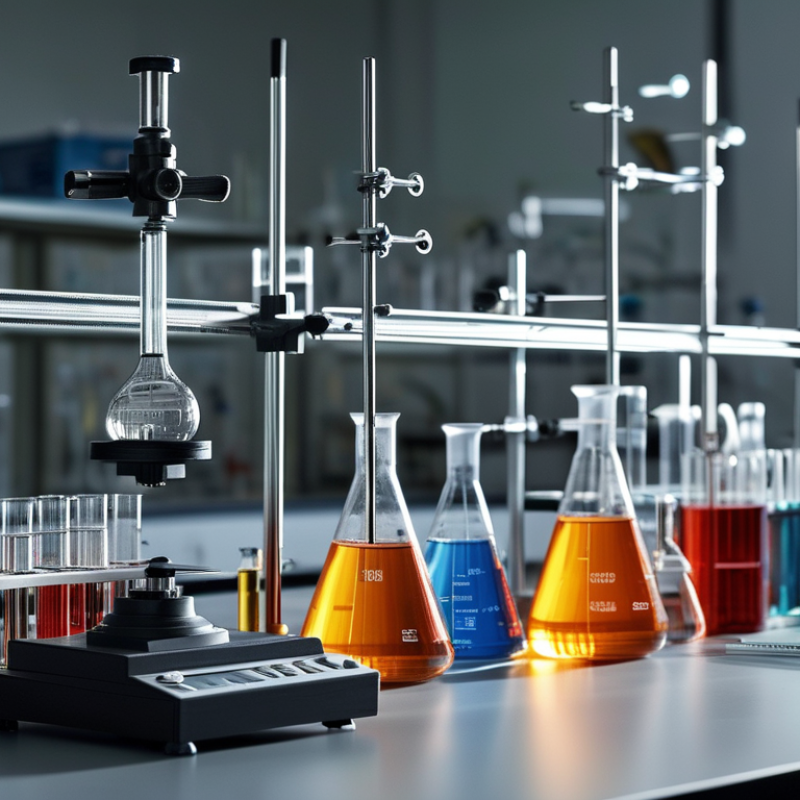
When it comes to essential lab equipment, global buyers must consider various categories to ensure quality and efficiency. Laboratory apparatus can range from basic items like pipettes and Bunsen burners to advanced technologies like centrifuges and spectrophotometers. According to a recent report by Global Industry Analysts, the global laboratory equipment market is expected to reach over $50 billion by 2025, underscoring rapid growth in biotechnology and pharmaceuticals.
One key category is analytical instruments. These tools are crucial for precise measurements and experiments. Examples include gas chromatographs, which provide reliable results in chemistry for compound analysis. Furthermore, incubators are essential in microbiology labs. They maintain controlled environments for growing cultures and can significantly impact research outcomes. However, not all labs are properly equipped, and this can hinder productivity. Identifying the right equipment that suits specific research needs is vital.
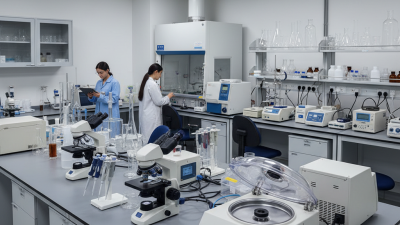
Safety equipment is another important area. Fume hoods and personal protective gear protect laboratory personnel from hazardous materials. The lack of proper safety measures can lead to accidents, underscoring the need for a thorough risk assessment before procurement. Investing in essential lab equipment not only enhances research capabilities but also ensures a safer working environment for scientists globally.
Factors to Consider When Purchasing Lab Equipment
When purchasing lab equipment, several critical factors should be considered. Quality is paramount. High-quality equipment generally lasts longer and performs better. Conducting thorough research on manufacturers can help in identifying reliable sources. Look for certifications that demonstrate adherence to industry standards. Cheaper options may save money initially, but they often lead to increased costs over time due to repairs and replacements.
Another key aspect is compatibility. Ensure that the equipment you choose fits seamlessly into your existing lab setup. This includes checking whether it meets specific power requirements and physical space constraints. It's crucial to assess the equipment's functionality. Some devices come with features that may not be necessary for your work. Focus on what best serves your operational needs to avoid overspending.
User training and support are often overlooked. Many labs face challenges when new equipment is introduced without sufficient training. Inadequate understanding can lead to misuse, causing delays and errors. Be diligent in seeking training resources and customer support from suppliers. It is wise to consider the long-term implications of your purchase. An impulsive decision might lead to dissatisfaction in the future. Thoughtful evaluation can prevent costly mistakes.
A Guide to Lab Equipment Suppliers Worldwide
When exploring lab equipment suppliers worldwide, understanding market trends is crucial. Recent reports indicate the global laboratory equipment market is projected to reach $50 billion by 2026, growing steadily each year. This growth is driven by increasing research and development activities across various industries. Laboratories require essential equipment, such as pipettes, centrifuges, and incubators, which have become the backbone of numerous experiments and procedures.
Buyers should focus on suppliers known for quality and reliability when sourcing laboratory equipment. A study by MarketWatch revealed that laboratories favor suppliers with strong after-sales support and a comprehensive warranty period. This ensures long-term investments in equipment are protected. However, choices can be overwhelming, with thousands of suppliers offering similar products. It’s important to assess the supplier’s market reputation and customer reviews before making decisions.
Moreover, navigating international regulations can be challenging. Different countries may have various compliance standards for laboratory equipment. Buyers must ensure their suppliers can meet these standards to avoid costly mistakes. Identifying suppliers who foster transparency and provide detailed specifications can help ease confusion. Despite the growing number of suppliers, not all meet the expectations of quality and safety. This calls for diligent research and informed decision-making to build and sustain reliable laboratory operations.
Comparative Analysis of Lab Equipment Brands and Models
When selecting lab equipment, it’s crucial to understand the strengths and weaknesses of various brands and models. According to industry reports, over 70% of research laboratories prioritize quality and reliability in their equipment purchases. A comparative analysis reveals notable differences among models, impacting performance and user satisfaction. For instance, some analyzers offer faster results but may compromise on accuracy. This trade-off can affect research outcomes.
Interviews with lab managers indicate that 65% value user-friendly design. Equipment that is easy to operate reduces training time. However, a significant number have expressed concerns about long-term service availability. As equipment becomes more advanced, sourcing parts and support can be challenging. Furthermore, around 40% of facilities report underestimating maintenance costs. Proper budgeting for these expenses is often overlooked.
Reliability is a cornerstone in laboratory settings, especially with precision instruments. Data shows that approximately 50% of labs experience equipment failure within the first two years. This reality emphasizes the need for thorough evaluation before purchasing. Balancing initial cost with long-term reliability is essential. Lab managers often stress the importance of seeking user reviews and expert recommendations to make informed choices.
Essential Lab Equipment Usage Comparison
This bar chart illustrates the usage frequency of essential lab equipment among global buyers. The data represents the number of times each equipment type is used in laboratory settings, indicating the most commonly utilized tools in scientific research and development.
Understanding Lab Equipment Compliance and Standards
Understanding lab equipment compliance and standards is crucial for global buyers. Each piece of equipment must meet specific regulations. This ensures safety and efficacy in laboratory operations. Compliance varies by region but often follows international protocols. Buyers need to be aware of these standards when sourcing equipment.
A reliable lab should document compliance statuses. Certificates and quality assurance reports provide confidence in the equipment's performance. However, not all suppliers prioritize transparency. Some may overlook the importance of adhering to standards. It’s essential to verify these details independently. Engage with experienced professionals for guidance.
Monitoring equipment reliability is an ongoing challenge. Regular inspections and maintenance are often required. Global buyers must be proactive in understanding local regulations while ensuring their equipment meets international benchmarks. Awareness of potential discrepancies can lead to better choices in sourcing and using lab equipment effectively.