What is a Comprehensive Lab Equipment List for Scientific Research?
A comprehensive lab equipment list is essential for any scientific research endeavor. It ensures that researchers have the tools needed to conduct experiments effectively. Without the right equipment, research may falter or yield unreliable results.
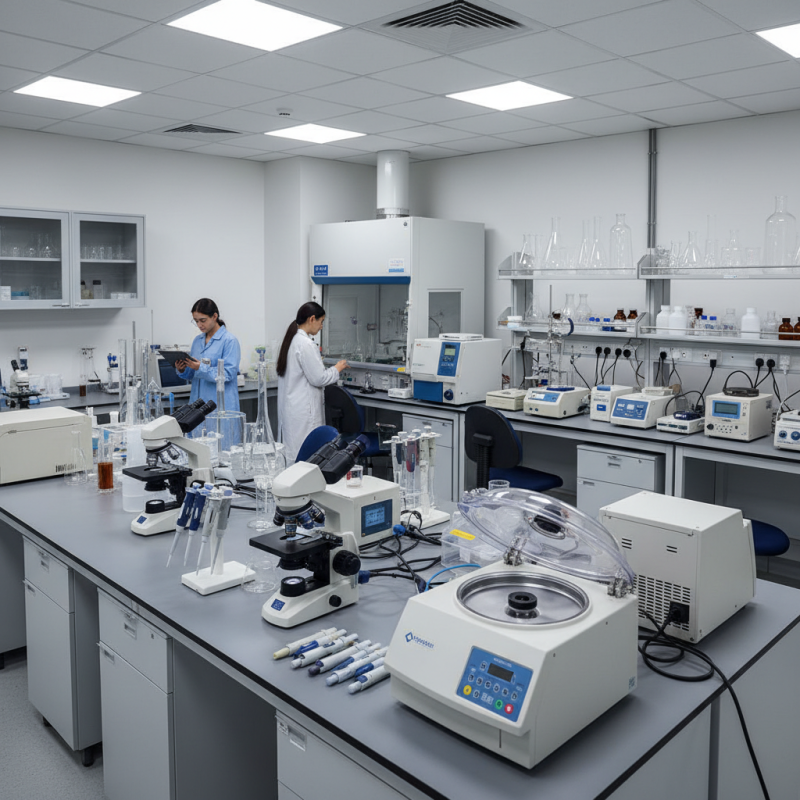
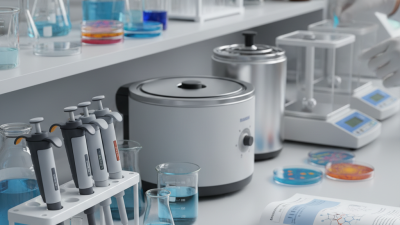
Each lab has unique requirements based on its specific focus. A biology lab will need different tools than a chemistry lab. Key equipment often includes microscopes, pipettes, and centrifuges. However, having an extensive list doesn't guarantee success. Researchers must consider maintenance, calibration, and proper usage.
Selecting equipment involves cost versus functionality. Ideal tools may exceed budget constraints. Prioritizing essential items can lead to difficult decisions. A well-thought-out lab equipment list is not just a checklist; it requires continuous reflection on needs and improvements.
Essential Categories of Lab Equipment for Scientific Research
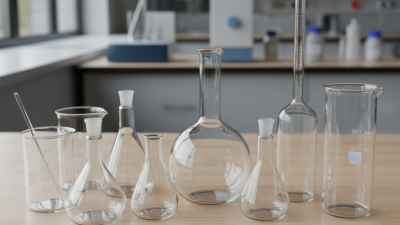
In scientific research, having the right lab equipment is crucial. There are several essential categories of lab equipment that every researcher should consider. First, basic tools like pipettes and beakers are foundational for accurate measurements. They are vital for experiments that require precise liquid handling. Without them, results can be compromised.
Next, analytical equipment plays a significant role. Instruments such as spectrophotometers and centrifuges help analyze samples effectively. These tools can provide insights that influence the direction of a study. However, researchers often face challenges with calibration and maintenance of these devices. It's important to dedicate time for proper training and troubleshooting.
Lastly, safety equipment cannot be overlooked. Personal protective equipment like gloves and goggles ensures a safe working environment. If researchers neglect safety protocols, it can lead to serious accidents. Regularly revisiting safety measures and procedures is essential for fostering a culture of safety in laboratories. Clear communication among team members about equipment usage and safety can enhance overall lab efficiency and effectiveness.
Key Laboratory Instruments and Their Functions
Laboratories are equipped with various instruments, each serving specific functions essential for scientific research. A microscope magnifies small samples, revealing intricate details. It enables biologists to study cell structures and microorganisms. A spectrophotometer measures light absorption, vital for analyzing chemical concentrations. According to a recent report by the National Science Foundation, nearly 75% of laboratories rely on basic analytical instruments like these.
In addition to these, centrifuges are crucial for separating substances based on density. They are widely used in fields ranging from biology to materials science. The precision and reliability of these devices significantly affect experimental outcomes. Yet, not all labs maintain these instruments adequately. A study published by the Journal of Laboratory Science highlighted that up to 30% of equipment suffered from calibration issues, leading to inconsistent data.
Consider the role of incubators in biological research. They maintain controlled environments for cell culture. While they are essential, their maintenance often gets overlooked. A lack of awareness can result in compromised experiments. It’s imperative for lab managers to regularly assess and ensure all equipment functions optimally for reliable results.
Comprehensive Lab Equipment Usage in Scientific Research
This bar chart displays the usage frequency of key laboratory instruments in scientific research environments.
Safety Equipment: Ensuring a Safe Research Environment
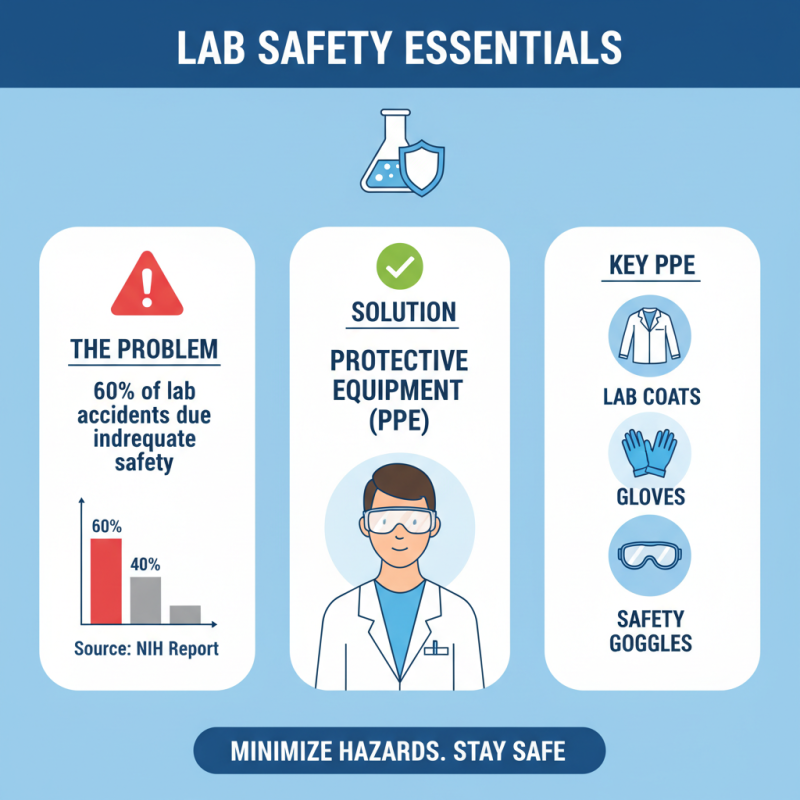
Creating a safe research environment is crucial in scientific labs. According to a report by the National Institutes of Health, approximately 60% of lab accidents stem from inadequate safety measures. Personal protective equipment (PPE) is essential. Lab coats, gloves, and safety goggles play a vital role in minimizing exposure to hazardous materials.
Moreover, proper signage around hazardous areas is often overlooked. Clear labels can prevent accidents. A survey indicated that 40% of researchers didn’t consistently check for safety protocols before starting experiments. This neglect can be dangerous and lead to serious injuries. Regular safety drills could also improve preparedness.
Access to safety showers and eyewash stations is non-negotiable. They should be easily accessible and well-maintained. An alarming statistic shows that labs without these facilities face higher incident rates. Despite knowing this, many establishments fail to prioritize these essentials. Reflection on safety practices can lead to improved compliance and a safer workplace.
Specialized Equipment for Different Scientific Disciplines
In scientific research, specialized equipment is crucial for accurate results. Different disciplines require unique tools tailored to their needs. For instance, in biology, a microcentrifuge allows for the separation of substances at a microscopic level. Data from a 2022 report indicates that 70% of biological labs prioritize this equipment. Its precision is vital for experiments involving DNA or proteins.
In chemistry, spectrometers play a key role in analyzing chemical compositions. According to industry reports, chemical laboratories invest significantly in mass spectrometry systems. These instruments identify molecular structures, contributing to groundbreaking discoveries in pharmaceuticals. However, many labs struggle with maintenance and calibration. This oversight can lead to inaccurate data.
Physics research relies heavily on simulation software and particle accelerators. A study by the National Science Foundation showed that funding for such technologies increased by 15% last year. Yet, the high costs pose challenges for small institutions. They often need to compromise on essential tools, affecting the quality of research output. In pursuing innovation, the gap between resource allocation and laboratory needs should be addressed.
Maintenance and Calibration of Lab Equipment: Best Practices
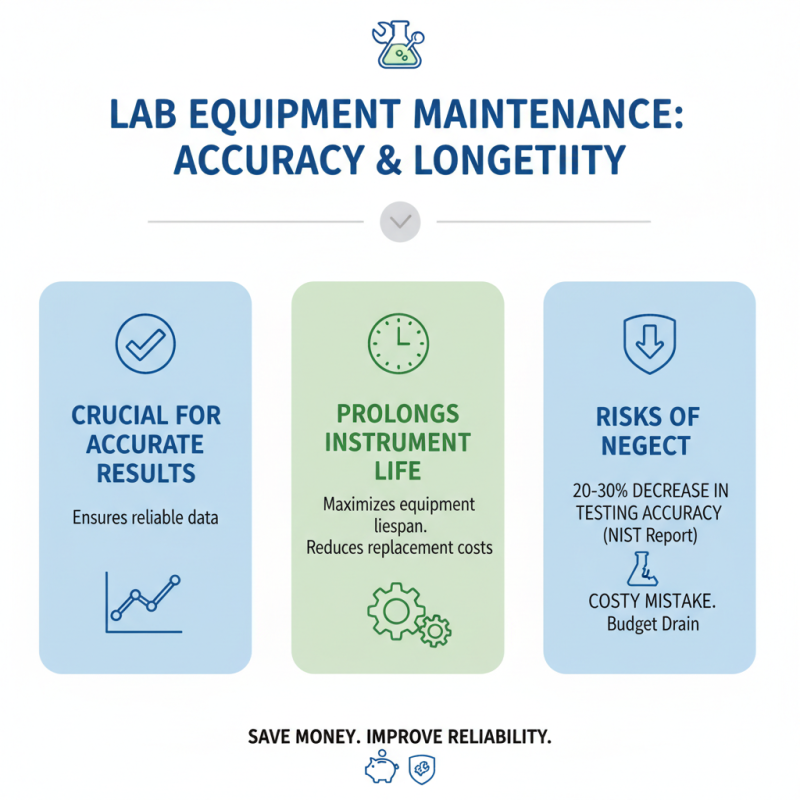
Lab equipment maintenance is crucial. Regular maintenance ensures accurate results and prolongs the life of instruments. A report from the National Institute of Standards and Technology (NIST) indicates that poorly maintained equipment can lead to a 20-30% decrease in testing accuracy. With lab budgets often tight, neglecting maintenance can be a costly mistake.
Calibration is another key component. Instruments can drift out of specification over time. The American Society for Testing and Materials (ASTM) recommends calibrating equipment at least once a year or before critical experiments. This can prevent minor errors from accumulating. Even slight inaccuracies can derail research findings. Some labs, however, overlook this step, leading to inconsistencies and unreliable data.
Training staff on best practices for maintenance and calibration is vital. Implementing checklists or regular audits can improve compliance. Studies show that labs with structured maintenance programs see a notable reduction in downtime. Reflecting on these practices ensures researchers can focus on innovation, rather than troubleshooting equipment failures.