How to Choose the Right Laboratory Bench for Your Research Needs?
Choosing the right laboratory bench is crucial for effective research. Dr. Emily Carter, a renowned expert in lab design, stated, "A proper laboratory bench can transform how experiments are conducted." This highlights the importance of making an informed choice.
A laboratory bench is not just a workspace; it’s the foundation for your research activities. It must fit the specific needs of your projects. Factors like height, material, and storage options play pivotal roles. Many researchers overlook these details, leading to inefficiencies in their work.
Selecting an appropriate laboratory bench can significantly enhance productivity. However, mistakes do happen. Some may prioritize aesthetics over functionality, which can hinder workflow. It’s essential to evaluate all options carefully, ensuring that your choice complements your research goals effectively.
Understanding Your Research Requirements for Laboratory Benches
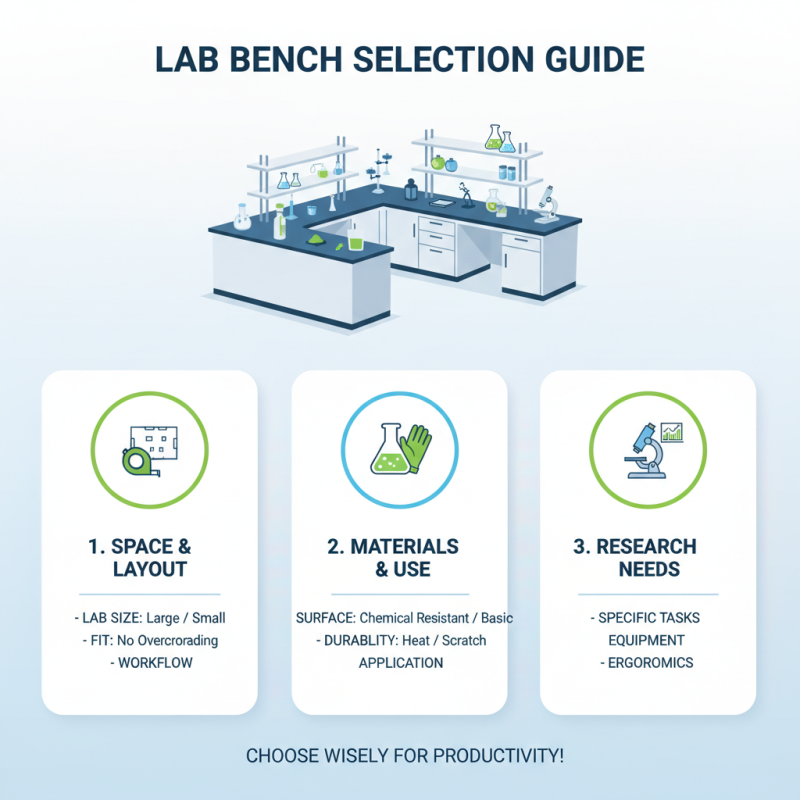
Choosing the right laboratory bench requires a clear understanding of your specific research needs. Consider the space available in your laboratory. Is it large or small? Your bench should fit well without overcrowding. Materials are also vital. Do you need a surface that can withstand chemicals, or is a simpler one sufficient?
Think about the tasks you perform regularly. If you conduct experiments involving heavy equipment, a sturdy bench is essential. For delicate work, a smooth, even surface will help. Also, assess how you organize your tools and samples. Will you need built-in storage? Or maybe mobile options for flexibility?
You might reflect on your previous experiences. Did your bench meet your needs, or did you face challenges? Analyzing past shortcomings can guide your choice. Pay attention to your workflow. A well-chosen lab bench can enhance efficiency and comfort in your research activities.
Evaluating Different Types of Laboratory Benches Available
When choosing a laboratory bench, it's essential to consider the variety of options available. Different research needs dictate diverse bench types. Some benches have chemical resistance, ideal for labs handling solvents and acids. Others are designed for physical experiments, featuring durable surfaces that withstand heavy use. For biological applications, benches might need to support cleanliness and sterility.
Another aspect to ponder is the bench height and adjustability. Not every researcher is the same height; often, benches feel either too high or too low. Adjustable options could better suit individual needs. Remember, comfort can significantly impact productivity. You might find that your ideal choice could also be the simplest one.
Finally, don't ignore storage features. Some benches come with built-in drawers and cabinets, helping to keep tools organized. However, a cluttered workspace can quickly emerge. If things are not where they should be, it can slow down the work process. Identifying which features benefit your research versus those that may distract is crucial for making an effective choice.
How to Choose the Right Laboratory Bench for Your Research Needs?
| Bench Type |
Material |
Weight Capacity (kg) |
Dimensions (cm) |
Best For |
| Laminate Bench |
Laminate |
120 |
150 x 75 |
General Lab Work |
| Steel Bench |
Steel |
250 |
180 x 90 |
Heavy-Duty Tasks |
| Epoxy Resin Bench |
Epoxy Resin |
200 |
150 x 75 |
Chemical Work |
| Mobile Bench |
Wood/Metal |
150 |
120 x 60 |
Flexible Usage |
| Height Adjustable Bench |
Steel |
180 |
150 x 75 |
Ergonomic Use |
Key Features to Consider When Selecting a Laboratory Bench
When selecting a laboratory bench, several key features are important to consider.
The height of the bench is crucial. It should accommodate various users and tasks comfortably.
A height-adjustable bench can enhance ergonomics, reducing strain during long hours of work.
According to industry reports, proper ergonomic setups can decrease worker fatigue by up to 30%.
Material choice also impacts functionality.
Stainless steel is preferred for its durability and resistance to chemicals.
However, high-pressure laminate might be sufficient for less demanding environments.
Each material has pros and cons.
Balance cost and durability based on your specific research needs.
Tip: Always prioritize your working environment.
A chaotic lab can lead to mistakes. Choose benches with ample storage to keep your workspace organized.
Work surface area is another vital consideration.
Larger surfaces allow for multiple experiments simultaneously.
However, if space is tight, consider compact benches with expandable surfaces.
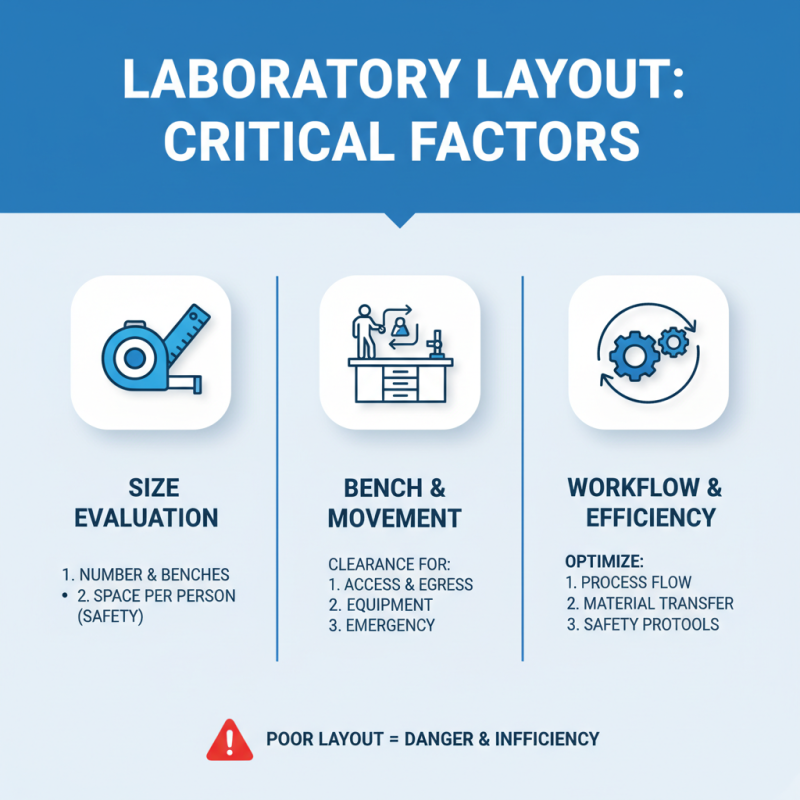
This flexibility can improve workflow, yet be cautious of overcrowding your workspace.
Overcrowded benches can lead to accidents and lost data.
Tip: Review your lab's workflow.
Do you need collaborative spaces or individual workstations?
This insight will guide your choice effectively.
The right bench should align with your research goals and daily tasks.
Budgeting for Laboratory Benches: Cost vs. Value Analysis
When budgeting for laboratory benches, a cost versus value analysis is essential. It's tempting to choose the cheapest option, but savings can lead to setbacks. Think about the long-term implications. A higher initial investment might save money over time. Durable benches often require fewer repairs and replacements.
Consider the specific needs of your research. If you are conducting sensitive experiments, sturdiness is key. Thin, flimsy benches can hinder your work. Evaluate your space too. A wide bench can limit movement if your lab is small. Carefully measuring will help avoid costly mistakes.
**Tip:** Look for versatile designs. Benches that adjust in height or have modular components can adapt as needs change.
Be mindful of accessories. Many benches come with essential features like shelving. Don’t underestimate these. They can improve organization and workflow. Reflect on how often you need to rearrange your lab. This might influence which features are truly necessary.
**Tip:** Set a rough budget, but leave room for flexibility. Unexpected costs often arise. Adjusting your budget now can prevent significant issues later on.
Laboratory Bench Cost vs. Value Analysis
This chart illustrates the cost and perceived value of different types of laboratory benches. The data reflects common benchmarks in laboratory settings, helping researchers choose the right bench for their needs.