Explore cutting-edge articles on laboratory products, industry innovations, and research trends with Lab Consulting.
Choosing scientific lab equipment in 2026 requires more than comparing prices and technical specifications. Laboratories now manage stricter data expectations, higher energy costs, supply delays, and complex workflows. A centrifuge may look affordable, yet poor temperature control can compromise valuable samples. A microscope may offer impressive resolution, but weak software integration can slow every report.
Quality expert W. Edwards Deming famously warned, “Without data, you’re just another person with an opinion.” His statement remains highly relevant when evaluating laboratory instruments. Buyers should examine calibration records, validation documents, measurement uncertainty, software security, warranty coverage, and service response times. Vendor reputation matters. So does evidence from independent testing.
The best choice should match the real workflow. Consider daily sample volume, operator skill, laboratory space, ventilation, cleaning routines, and future upgrades. Ask whether replacement parts remain available after several years. Check whether the instrument produces traceable, exportable data. Small details matter.
A quieter pump can improve concentration. A simpler interface can reduce training errors. Sustainability deserves attention, too. Lower power consumption and reusable components can reduce long-term operating costs.
No checklist is perfect. Needs change.
Some laboratories also overbuy equipment. Others choose the cheapest model and regret it later. A balanced decision compares total ownership cost with scientific risk. This guide explains how to assess performance, reliability, compliance, usability, and supplier support before purchasing scientific lab equipment in 2026. The goal is not to find the most advanced instrument. It is to find the most dependable fit.
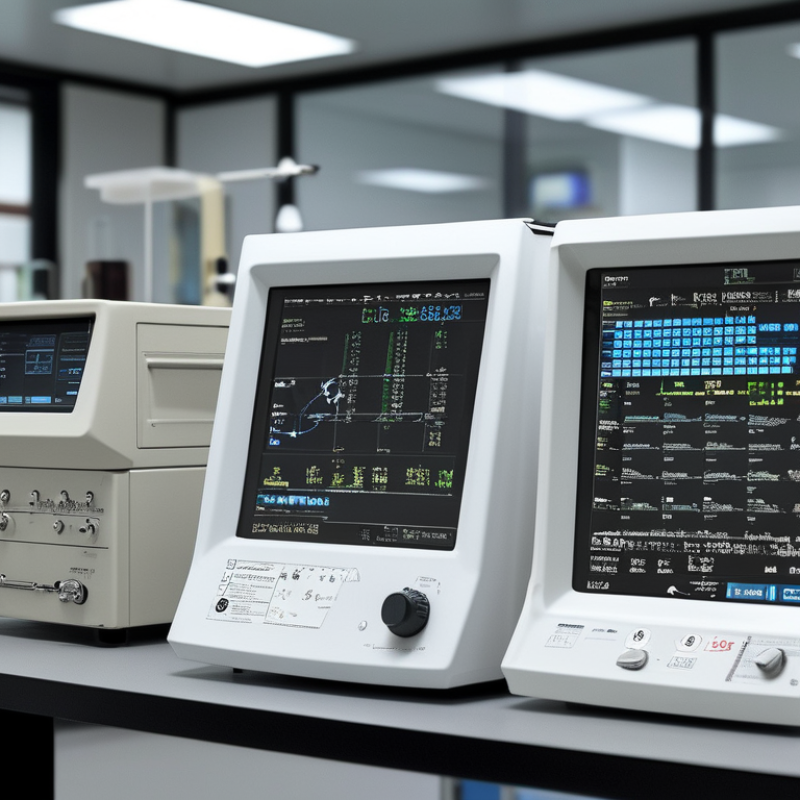
Choosing scientific lab equipment in 2026 should begin with the laboratory’s actual work, not a product catalogue. Define the questions, sample types, throughput, accuracy, and environmental conditions before comparing instruments. A molecular testing room may need contamination controls, while a materials lab may prioritize temperature stability and mechanical force. Write these requirements in measurable terms. “Fast” is weak; “twenty samples per hour with documented repeatability” is useful. That sounds obvious. Many purchasing errors start here.
Map the complete workflow from sample receipt to result reporting. Check bench space, power supply, ventilation, humidity, noise, and waste handling. Confirm whether staff can operate the equipment safely and consistently. Training time matters. So does routine cleaning. Ask how calibration will be verified and how maintenance records will be stored. In my experience, a technically impressive instrument can underperform when its software does not fit existing data procedures. Compatibility deserves written evidence, not verbal assurance.
Separate essential requirements from attractive extras. Calculate the total operating cost, including consumables, service, training, downtime, and disposal. A lower purchase price may create higher long-term costs. Review relevant safety standards, quality procedures, and local regulatory expectations with qualified personnel. Build acceptance tests before delivery, such as accuracy checks, temperature mapping, or repeatability trials. One useful rule is imperfect: choose equipment the team can control, maintain, and defend during an audit. Revisit that rule when workloads change. Even careful specifications can miss an inconvenient detail.
Temperature requirements are a practical starting point for equipment selection. The chart shows representative temperatures commonly used in molecular biology, cell culture, sample storage, and sterilization workflows.
These values are typical working points rather than universal specifications. Final equipment requirements should be confirmed against the laboratory’s validated protocols, sample types, capacity needs, monitoring requirements, and applicable safety standards.
Choosing laboratory equipment should begin with its function, not its appearance or price. Define whether the device measures, separates, heats, mixes, observes, or stores samples. A centrifuge for cell work needs different performance from one used for routine liquid separation. The workflow matters.
Then check the specifications against actual experimental needs. Review capacity, accuracy, operating range, resolution, materials, maintenance intervals, and safety features. For temperature-sensitive work, verify stability rather than relying on the displayed setpoint. Small errors can distort results. Ask for calibration records and service documentation before purchase.
Compatibility is often underestimated. Confirm power requirements, connector types, software formats, sample containers, and available workspace. Equipment should also fit existing ventilation, water, gas, or data systems when required. In my lab experience, a technically excellent instrument caused delays because its accessories were incompatible. That mistake was avoidable.
Speak with trained users, technical specialists, and qualified service personnel. Their practical feedback can reveal noise, cleaning difficulty, or hidden consumable costs. Check independent testing data and applicable laboratory standards. Still, no checklist is perfect. Research priorities change, and specifications can look impressive without improving the workflow. A short trial, documented comparison, and risk review usually provide stronger evidence than a rushed purchase.
Choosing scientific lab equipment in 2026 requires more than comparing specifications. Accuracy must be demonstrated, not assumed. The WHO Laboratory Quality Management System handbook identifies calibration, document control, and staff competency as core quality controls. Ask for traceability records, uncertainty data, and recent verification results. A fast instrument is still risky if its readings drift after a few weeks. I have seen teams overlook this during rushed purchasing.
Safety should be visible in daily operation. Review guarding, alarms, spill control, ergonomic loading, and maintenance access before approval. The CDC and NIH BMBL, 6th edition, stresses risk-based controls for laboratory procedures and equipment. Compliance also needs evidence. Check electrical certifications, software audit trails, data retention, and compatibility with ISO/IEC 17025 or your local quality system. Requirements can change. Recheck them.
Tips: Request a live demonstration using your real sample types. Record setup time, cleaning steps, error recovery, and operator training hours. Ask three users to repeat the same workflow. If results vary, investigate before buying. Ease of use is measurable, although many purchasing teams treat it as a vague preference. Keep a short evaluation log. Note awkward buttons, unclear warnings, and tasks requiring two people. The inconvenient detail may matter most.
Choosing scientific lab equipment in 2026 requires more than comparing purchase prices. In my lab planning work, the cheapest quote often became expensive after delivery. Calculate total cost of ownership before approval. Include installation, validation, software, consumables, calibration, energy use, and disposal. Ask for a five-year estimate. Then test its assumptions. A low estimate may hide frequent replacement parts. This happened to me once.
Compare suppliers by evidence, not polished presentations. Request itemized quotes, warranty terms, delivery records, and references from similar laboratories. Check whether the supplier can provide local technical assistance. A delayed repair can stop a project and waste prepared samples. Clarify response times, spare-part availability, remote diagnostics, and escalation procedures. Get every promise in writing. Verbal reassurance is weak evidence. Also review training. One rushed demonstration may leave staff guessing later.
Maintenance deserves a realistic budget and a practical schedule. Ask who performs preventive service, how calibration is documented, and what downtime is typical. Inspect the equipment’s service area before ordering. I once overlooked ventilation and power requirements, causing an avoidable installation delay. That mistake changed our checklist. Reliable decisions also include user feedback after a trial period. Operators notice noise, awkward controls, and cleaning problems quickly. Their experience can challenge an attractive specification.
Choosing scientific lab equipment in 2026 starts before the purchase order. Validation must match the intended method, sample load, and acceptance limits. The WHO Laboratory Quality Management System handbook identifies equipment management and training among its 12 quality essentials. Write a validation plan early. Define accuracy, precision, temperature stability, software controls, and failure responses. A cheaper instrument can become expensive when acceptance criteria remain unclear.
Installation should be a controlled project, not delivery day. Confirm room temperature, power quality, ventilation, vibration, network access, and waste routes. Keep installation qualification and operational qualification records. Performance qualification should use representative samples, not only factory standards. Train analysts beside the instrument. Let them perform a routine run, create an error report, and complete cleaning steps. Short training fails.
Future upgrades need space, ports, compatible data formats, and realistic service access. The OECD’s Main Science and Technology Indicators report places global research and development intensity at about 2.7% of GDP in 2022. That sustained investment can accelerate instrument replacement cycles. Choose systems that accept validated software updates and preserve audit trails. NIST guidance on measurement traceability also supports documented calibration links to recognized standards. Avoid promising unlimited flexibility. It is rarely true. A written review every six months can expose capacity problems before they disrupt results.
Subscribe to our newsletter and receive the latest news and exclusive insights every month. No spam.
LabConsulting GmbH and LC LabService GmbH are Austrian companies which cooperate with over 600 manufacturers and offers a selection of more than 180,000 products and various laboratory product and service solutions for our Labcustomers.
Die LabConsulting GmbH und die LC LabService GmbH sind österreichische Unternehmen, die mit über 600 global verteilten Herstellern zusammenarbeiten und mit einer Auswahl von mehr als 180.000 Produkten und verschiedenen Laborprodukt- und Servicelösungen unseren Parnern im Labor anbieten.
INSTOCK CATALOGOur services
Our services