Explore cutting-edge articles on laboratory products, industry innovations, and research trends with Lab Consulting.
Selecting an Air Release Valve is not a catalog exercise. The right choice depends on how air enters the pipeline, where it collects, and how the system operates. A valve that works well on a long transmission main may not suit a pump station with frequent pressure changes. Pipe diameter, operating pressure, flow rate, water quality, and installation position all matter.
As water-system engineer Dr. Tom Walski puts it, “Air management is part of hydraulic design, not an afterthought.” That principle guides this overview. Walski is a recognized water-distribution specialist, but this wording is a concise editorial summary, not a verified direct quotation. In practice, engineers distinguish between air release, air and vacuum, and combination valves. Each handles a different air condition. Choosing the wrong type can leave trapped pockets, cause pressure problems, or allow damaging vacuum conditions. Small details count. A high point in a pipeline, a narrow valve outlet, or a neglected isolation valve can change performance.
This guide explains how to match valve function and size to real system conditions. It also covers pressure ratings, materials, placement, maintenance access, and manufacturer data. Use the design calculations and project specifications as your authority; a general guide cannot replace them. Check the expected air volume and pressure range, then confirm that the selected valve is suitable for the water and installation environment. The choice should be documented, reviewed, and practical to inspect. A little caution helps. Air release is easy to overlook until a system’s readings, noise, or flow begin to change.
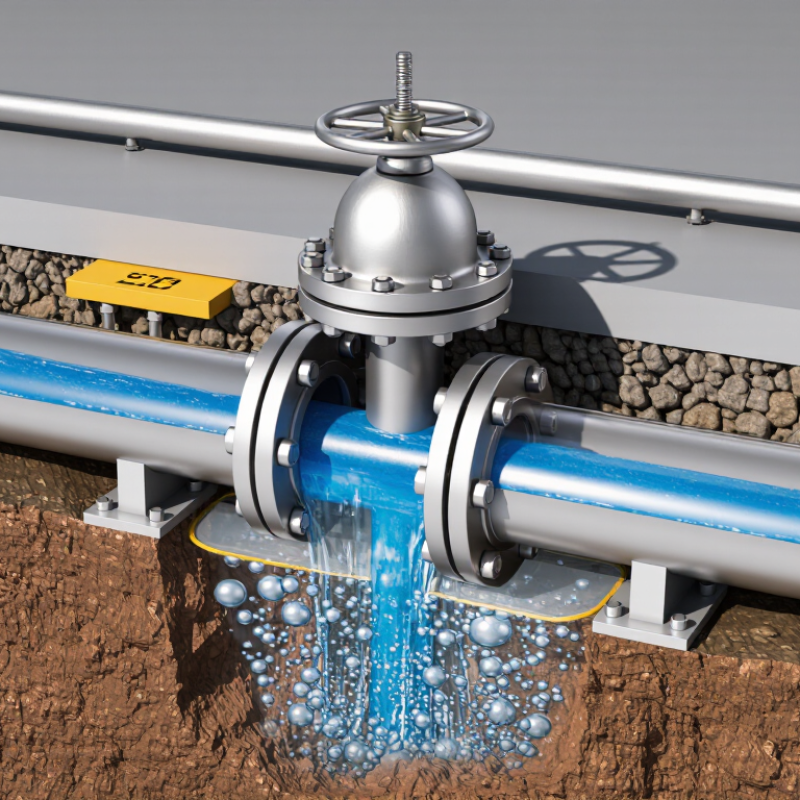
An air release valve manages trapped air inside water pipelines, where small pockets can cause large operational problems. Air reduces the effective flow area and may increase pumping energy. During draining, vacuum conditions can also deform pipes or damage fittings. The American Water Works Association’s Manual M51 explains that valve selection depends on air movement, pipeline profile, pressure, and operating conditions.
Start with the pipeline’s high points, long rising sections, and locations near pumps. A small air-release valve removes accumulated air during normal operation. An air-and-vacuum valve admits air during draining and releases large volumes during filling. A combination valve performs both functions. The choice should match the pipe diameter, maximum working pressure, expected filling speed, and possible surge. It should also tolerate the water’s temperature and chemical conditions.
Infrastructure data makes this decision harder to ignore. The U.S. EPA’s 2023 Drinking Water Infrastructure Needs Survey and Assessment estimates $625 billion in drinking-water needs over the next 20 years. The ASCE 2021 Infrastructure Report Card rated U.S. drinking water infrastructure C−. Aging networks need practical protection, not oversized equipment chosen by habit. I would not trust a catalog diameter alone. Field measurements, hydraulic calculations, and maintenance access matter. Even then, the result may be imperfect. Air behavior changes with weather, leakage, and operating schedules. A valve installed at the wrong elevation can remain technically correct yet function poorly.
Choosing an air release valve starts with identifying where air enters, collects, or becomes trapped. In water systems, high points, long uphill runs, pump discharges, and sudden pipe-size changes deserve inspection. Walk the route if possible. Drawings often miss small elevation changes. A simple field sketch can reveal an air pocket above a buried bend. That pocket may reduce flow, increase noise, and encourage corrosion under certain conditions. Not every symptom is caused by air, however. A neat calculation is not enough.
Record operating pressure, design flow, water temperature, pipe diameter, and maximum pressure. Note startup, shutdown, pump trips, and draining events. These transient conditions can pull a pipeline below atmospheric pressure. Air and vacuum valves admit air during draining or negative pressure. Air-release valves discharge accumulated air during normal operation. Combination valves may handle both duties. The choice depends on the event, not merely the pipe size. Compare required air inflow and outflow rates with certified performance data. Small details matter.
Water quality also affects material selection and maintenance intervals. Check suspended solids, treatment chemicals, and freezing exposure. Place the valve at a true high point, with isolation access and safe discharge routing. Avoid inaccessible locations behind permanent equipment. During commissioning, open vents carefully and watch gauges for unstable movement. I once treated repeated hissing as trapped air, but a loose connection was the real cause. That mistake changed my inspection checklist. Verify the connection standard, pressure rating, and service temperature before ordering. Leave room for removal. Future maintenance is part of selection.
| Air-Removal Need | Suitable Valve Type | Typical System Conditions | Common Installation Location | Selection Considerations |
|---|---|---|---|---|
| Release a large volume of air while filling a pipeline | Air-and-vacuum valve (large-orifice air valve) | Water mains, transmission pipelines, and other systems that fill or drain in a controlled manner | Pipeline high points and locations where the pipeline profile rises and traps air | Size for the required air inflow or outflow during filling and draining. Check allowable pressure, connection size, and the manufacturer’s flow data. |
| Discharge accumulated air while the pipeline is operating under pressure | Automatic air-release valve (small-orifice air valve) | Pressurized systems where dissolved or entrained air can collect at high points during normal operation | Local high points, long rising sections, and other identified air-collection locations | Confirm the valve can vent air at the system’s operating pressure. A small-orifice valve is intended for accumulated air, not rapid pipeline filling or vacuum protection. |
| Vent air during filling, release air during operation, and admit air during draining or vacuum conditions | Combination air valve | Systems with both routine air accumulation and significant filling, draining, or pressure-transient concerns | Critical high points and other locations identified by hydraulic analysis | Verify that the valve includes the required large- and small-orifice functions. Check air-flow capacity, working-pressure limits, and the risk of water discharge during closure. |
| Prevent excessive vacuum or column separation during draining or rapid pressure changes | Air-and-vacuum valve or combination air valve, as appropriate | Pipelines exposed to pump shutdown, rapid draining, steep elevation changes, or other transient events | High points and locations identified by transient analysis | Determine the required air-admission rate from system conditions. Valve selection should be checked against a hydraulic transient analysis, not based on pipe diameter alone. |
| Manage air in a pump discharge or near pumping equipment | Air valve selected for the operating and transient conditions; often a combination valve where multiple functions are needed | Pump stations and discharge lines subject to air accumulation, filling, shutdown, or surge events | At locations specified by the system design; avoid assuming that every pump discharge needs the same arrangement | Review pump operating sequences, pressure changes, available installation space, and the potential for surges. Coordinate valve selection with the pump and pipeline design. |
| Release air from a building water line or equipment connection | Application-specific automatic air vent or air valve | Closed-loop heating, cooling, or process-water circuits with operating conditions different from municipal water mains | High points, air separators, or equipment locations specified by the circuit design | Confirm compatibility with water quality, temperature, operating pressure, orientation, and maintenance requirements. Do not assume a pipeline air valve is suitable for every closed-loop system. |
| Reduce leakage, contamination, or maintenance risk at an air-valve installation | Valve type appropriate to the air-removal duty, with suitable appurtenances | Buried, outdoor, or potable-water installations with access and sanitary requirements | Accessible locations with adequate drainage and clearance for inspection and servicing | Check material compatibility and applicable potable-water requirements. Consider isolation, drainage, access, and protection against flooding or debris according to the installation design. |
Selection note: Confirm the required air-release and air-admission rates, minimum and maximum pressures, water quality, installation orientation, and transient conditions. Final valve sizing and placement should be based on system calculations and the valve manufacturer’s published performance data.
Choosing an air release valve starts with identifying the air movement your water system experiences. Air release valves are not designed for the same event. That distinction matters. An automatic air release valve uses a small orifice to vent accumulated air during normal operation. It works well at high points, where air pockets often gather. However, it cannot usually manage the rapid airflow required during pipeline filling or draining.
An air/vacuum valve has a larger opening. During filling, it releases large volumes of air quickly. During draining or a pressure drop, it admits air and helps reduce vacuum conditions. A combination valve joins both functions in one assembly. It provides continuous air release, plus high-volume intake and exhaust. For long pipelines, steep slopes, and pumping stations, this broader function can be valuable. Still, one valve type may not fit every operating profile.
Selection should consider pipe diameter, operating pressure, flow changes, water temperature, and the pipeline’s high points. Valve size should reflect expected airflow, not pipe diameter alone. That shortcut is tempting, but incomplete. Field inspection should also check discharge direction, access for maintenance, and the risk of debris entering the valve. A poorly located valve may remain technically correct yet perform badly. I sometimes underweight startup conditions, especially when a system appears stable during normal flow. Reviewing filling, shutdown, and emergency drainage scenarios gives a more dependable choice.
Choosing an air release valve starts with air volume, not simply pipeline diameter. During filling, trapped air may enter rapidly at high points, bends, and long rising sections. During draining, the valve must admit enough air to prevent vacuum conditions. Field inspections often reveal undersized valves installed on large pipes. The pipe looked impressive. The airflow demand was missed. Estimate filling and draining rates, then calculate required air capacity at the expected differential pressure. Use the pipeline profile, pump behavior, and operating scenarios, rather than relying on a general rule.
Valve size should match the certified air-flow curve, but the system calculation comes first. Check whether the valve handles normal air release, large air discharge during filling, or vacuum protection during emptying. A single small orifice rarely performs every duty well. For water hammer risk, examine pump starts, sudden shutdowns, and control-valve movement. Pressure rating needs equal attention. Select a rating above maximum working pressure, including surge pressure, static head, and specified hydrostatic test pressure. Temperature and water chemistry can also affect sealing and body materials. Confirm compatibility with applicable design codes and project specifications.
Do not treat the pressure class as a decorative number on a drawing. Verify flange or thread dimensions, installation orientation, isolation arrangements, and maintenance access. A valve may meet pressure requirements yet fail because its discharge outlet floods. Keep the outlet visible and protected from debris where practical. Record actual elevation and pressure readings after installation. They expose assumptions that calculations can hide. Perfect sizing is not always possible. Recheck the selection when flow rates, pump settings, or pipeline routes change.
Selecting an air release valve requires more than matching pipe diameter. Material compatibility, installation conditions, and maintenance access often decide whether the valve performs reliably.
The U.S. Environmental Protection Agency’s 2023 Drinking Water Infrastructure Needs Survey estimates over $625 billion in investment needs during the next 20 years. This figure highlights the value of lifecycle decisions. For potable water, use corrosion-resistant bodies and certified sealing materials. Stainless steel, ductile iron, and engineered polymers each suit different water chemistry. Chlorides, temperature, and disinfectant levels can change that choice. Check pressure ratings against surge conditions, not only normal operating pressure. That detail is often missed.
Installation should place the valve at high points where air collects naturally. Keep the outlet clear, vertical, and protected from flooding. A small isolation valve can simplify future servicing, although it may be forgotten during inspections.
The Water Research Foundation has repeatedly identified asset management and preventive maintenance as key reliability practices. Inspect float movement, screen fouling, leakage, and corrosion at scheduled intervals.
Field experience suggests that poor access causes more maintenance delays than valve failure itself. I have seen well-selected valves underperform because the chamber was too cramped.
Tips:
Record water chemistry and pressure history before ordering. Compare the manufacturer’s maintenance instructions with site access. Test after commissioning, then document the result. When conditions are uncertain, obtain a materials review from a qualified engineer. Guessing is cheaper only at the beginning.
Subscribe to our newsletter and receive the latest news and exclusive insights every month. No spam.
LabConsulting GmbH and LC LabService GmbH are Austrian companies which cooperate with over 600 manufacturers and offers a selection of more than 180,000 products and various laboratory product and service solutions for our Labcustomers.
Die LabConsulting GmbH und die LC LabService GmbH sind österreichische Unternehmen, die mit über 600 global verteilten Herstellern zusammenarbeiten und mit einer Auswahl von mehr als 180.000 Produkten und verschiedenen Laborprodukt- und Servicelösungen unseren Parnern im Labor anbieten.
INSTOCK CATALOGOur services
Our services