BlogsBlogs

Explore cutting-edge articles on laboratory products, industry innovations, and research trends with Lab Consulting.

Explore cutting-edge articles on laboratory products, industry innovations, and research trends with Lab Consulting.

2026 Best Laboratory Freezers for Optimal Performance and Efficiency?

In the world of scientific research, laboratory freezers play a vital role. These appliances ensure that sensitive samples remain viable and uncontaminated. As technology advances, the latest models offer impressive energy efficiency and exceptional performance. However, not all laboratory freezers are created equal.

Selecting the right freezer can be challenging. Some may not maintain the necessary temperatures consistently. Others may lack the required storage capacity. Researchers often find themselves comparing brands and features to make informed choices. It's crucial to invest in models that combine reliability with innovation.

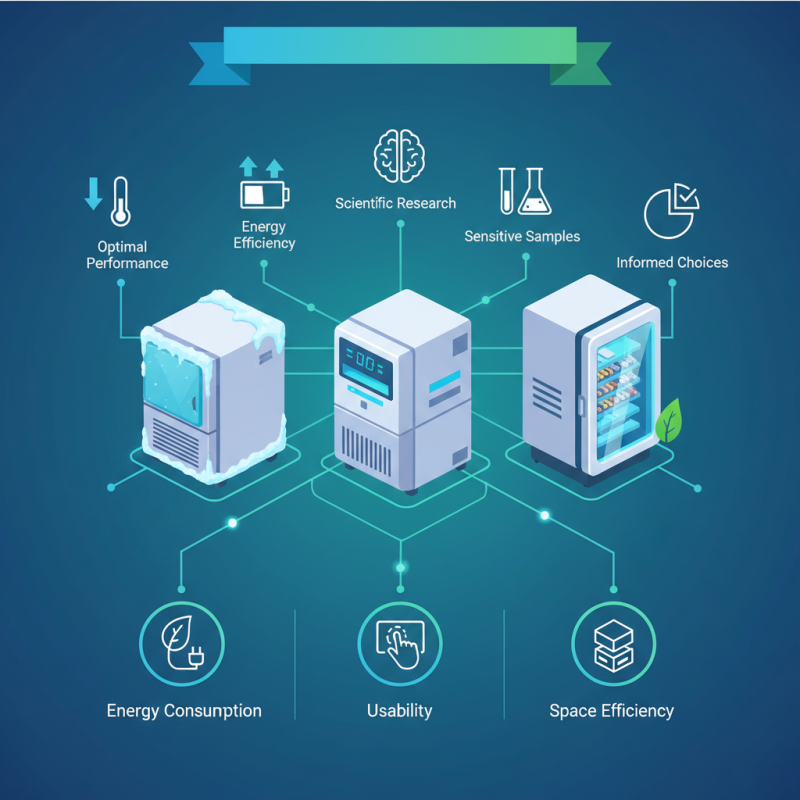
As we explore the best laboratory freezers of 2026, consider factors such as energy consumption, usability, and space efficiency. This year's top models promise to enhance research outcomes while reducing operational costs. Understanding these aspects will help guide you toward making the best decision for your laboratory needs.
2026 Best Laboratory Freezers for Optimal Performance and Efficiency?

Factors to Consider When Choosing Laboratory Freezers for 2026
2026 Best Laboratory Freezers for Optimal Performance and Efficiency?

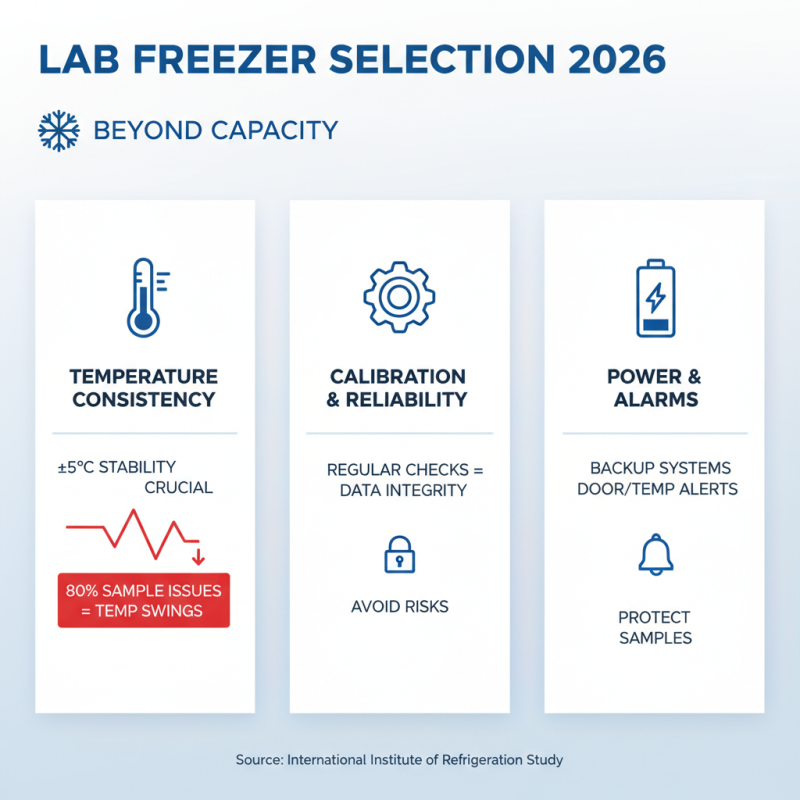
When selecting a laboratory freezer in 2026, factors beyond capacity are crucial. Temperature consistency is paramount. A study from the International Institute of Refrigeration highlights that 80% of sample integrity issues arise from temperature fluctuations. Freezers should maintain temperatures within ±5°C. Regular calibration is necessary to avoid risks.

Energy efficiency is another key consideration. According to the U.S. Department of Energy, laboratory freezers can account for up to 20% of a lab's total energy expenditure. Models with ENERGY STAR ratings can reduce costs significantly. Additionally, new technologies, like vacuum insulation, are emerging to enhance efficiency.

Space constraints also influence choices. Freezers should maximize storage without compromising airflow. Racks and shelving should allow easy access while ensuring optimal temperature distribution. Some models may claim to save space but enhance complexity in usage. It's essential to select an option that balances capacity with functional design. As labs evolve, continuous evaluation of these factors remains necessary.
Top Laboratory Freezer Brands Known for Performance and Reliability

When selecting laboratory freezers, performance and reliability are crucial. The right freezer can significantly impact sample preservation. Data shows that temperature fluctuations can compromise sample integrity. A steady temperature, ideally around -80°C, is essential for long-term storage.

Leading laboratory freezer brands focus on technology and user-friendly features. Reliable models often include energy-efficient compressors and advanced insulation. Yet, some units struggle with maintaining consistent temperatures, particularly in busy labs. Regular maintenance checks are vital to prevent failures.

According to industry reports, failure rates for some models reach up to 15%. Users must be cautious when choosing a freezer. Features such as user alerts for temperature deviations are critical for preventing accidents. It’s also essential to consider the layout of the freezer, as overcrowding can hinder airflow.

2026 Best Laboratory Freezers Performance Comparison

Innovations in Laboratory Freezer Technology for Enhanced Efficiency

2026 Best Laboratory Freezers for Optimal Performance and Efficiency?

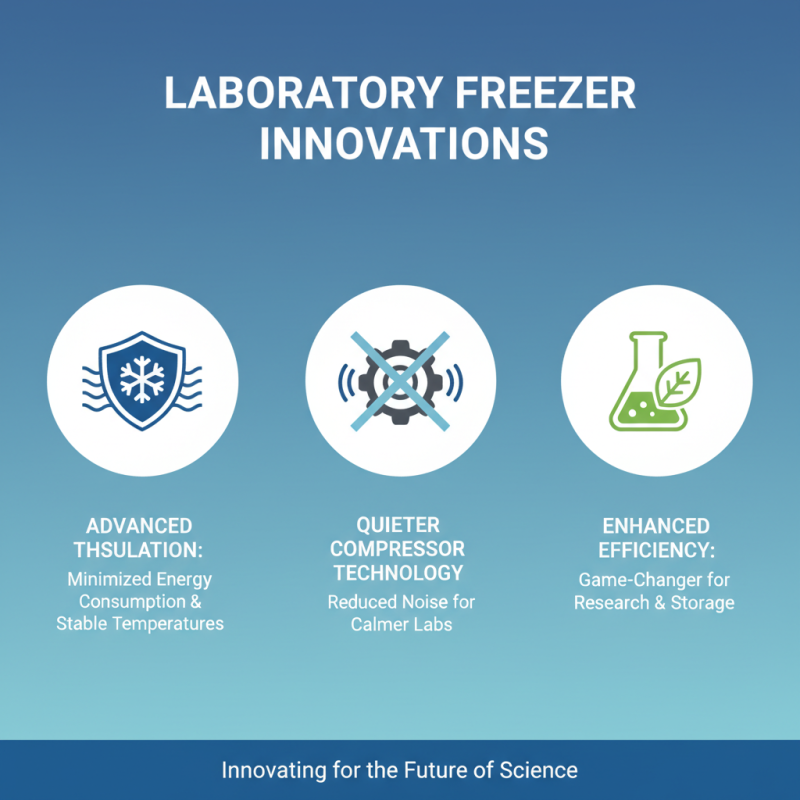
Laboratory freezers play a crucial role in research and storage. Recent innovations are enhancing their efficiency significantly. New thermal insulation materials minimize energy consumption, ensuring stable temperatures for samples. Advanced compressor technology allows for quieter operation. These developments are game-changers in laboratory environments.

Tips: Regular maintenance checks are important. They ensure optimal performance. Dirty condenser coils can lead to increased energy usage. Clean them frequently to enhance efficiency. Additionally, consider organizing items by frequency of use. This reduces air exchange and helps maintain temperature consistency.

Another notable innovation is smart technology integration. Some freezers now feature IoT capabilities, allowing remote monitoring. This ensures alarms sound immediately when issues arise. However, reliance on technology can lead to complacency. Regular manual checks should never be overlooked. Balancing tech and traditional methods can result in better outcomes.

Energy Efficiency Ratings and Their Importance in Laboratory Freezers

In laboratory settings, energy efficiency ratings are critical for freezers. High-efficiency models can dramatically reduce power consumption. According to a recent report by the International Energy Agency, energy-efficient laboratory equipment can cut energy usage by as much as 30%. This leads to significant cost savings over time, making it essential for labs to consider these ratings when selecting freezers.

Many laboratories overlook the importance of checking efficiency ratings thoroughly. A small difference in energy usage can accumulate over years, impacting both budget and environmental footprint. For example, a freezer that operates under Energy Star standards may save a lab approximately $300 annually just in energy costs. This is a detail that could easily be missed but has a substantial long-term effect on operational expenses.

Tips: When purchasing a laboratory freezer, always compare energy ratings. Calculate potential savings over five years. Consider the total cost of ownership, not just the purchase price. A slightly higher initial investment could pay off substantially in energy savings. This mindset shift could benefit both budgets and sustainability efforts in the long run.

2026 Best Laboratory Freezers for Optimal Performance and Efficiency

Model Temperature Range (°C) Energy Efficiency Rating Capacity (Liters) Noise Level (dB) Price ($)
Model A -20 to -80 A++ 500 45 3000
Model B -40 to -80 A+ 600 42 3500
Model C -30 to -70 A 400 50 2800
Model D -20 to -60 A++ 700 40 4000
Model E -40 to -80 A+++ 800 38 4500

Maintenance Tips for Ensuring Long-lasting Performance of Freezers

Maintaining laboratory freezers is crucial for optimal performance. Regular cleaning helps to prevent ice buildup, which can affect efficiency. Dust and debris can also clog vents, leading to poor airflow. Schedule a monthly check to ensure these areas are clear.

Temperature checks are essential. Ensure the freezer maintains stable temperatures. Variations can compromise sample integrity. Use a reliable thermometer and monitor readings daily. If the temperature fluctuates, consider recalibrating or servicing the unit.

Additionally, perform routine maintenance. Inspect seals and gaskets for wear and tear. Damaged seals can cause cold air to escape, costing energy and affecting samples. It’s easy to overlook these small details, but they have a significant impact on freezer performance. Keeping a maintenance log may help track issues and improvements over time.

Newsletter

Subscribe to our newsletter and receive the latest news and exclusive insights every month. No spam.